Hidden Steering Wheel Malfunctions Affecting Drivers in Miami, FL
Driving in Miami, FL comes with unique challenges, from intense heat to sudden rainstorms, and these conditions can quietly affect vehicle components over time. Studies show that nearly 20% of steering-related issues go unnoticed until they become serious, putting drivers at risk. Many drivers also overlook early warning signs, assuming they are minor or temporary. While researching related fixes, some drivers search for a car horn button not responding solution, not realizing the problem may connect to deeper steering wheel faults. This article explores hidden steering wheel malfunctions that affect Miami drivers and offers clear, practical steps to address them.
Understanding Steering Wheel Systems in Modern Vehicles
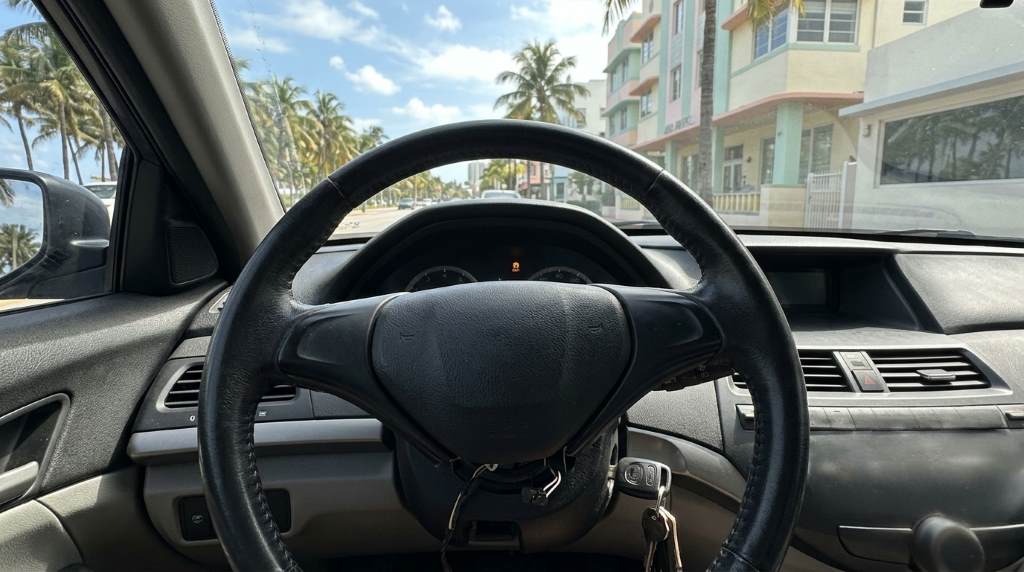
Modern steering wheels are no longer simple mechanical components, as they now integrate multiple electronic and safety systems. These systems include airbag modules, control buttons, sensors, and electronic steering assistance features. Because of this complexity, even a small issue can disrupt multiple functions at once. Drivers often notice symptoms but fail to connect them to the steering system itself. Therefore, understanding how these systems work helps identify problems early and avoid costly repairs.
Steering systems rely on precise alignment and communication between mechanical and electronic parts. When one component fails, it often affects the entire system rather than staying isolated. For example, a faulty sensor may interfere with steering responsiveness or dashboard warnings. Additionally, Miami’s humid climate can accelerate corrosion in electrical connections within the steering column. This makes regular inspection more important for drivers in this region. As a result, awareness becomes the first step toward prevention.
Common Hidden Steering Wheel Malfunctions
Intermittent Steering Stiffness
Many drivers experience occasional stiffness in the steering wheel without understanding its cause. This issue often appears during sharp turns or low-speed maneuvers, especially in parking situations. While it may seem minor, it can indicate problems with the power steering system or fluid levels. In Miami’s heat, steering fluid can degrade faster, reducing system efficiency. Consequently, the steering may feel heavier than usual without warning.
Ignoring intermittent stiffness can lead to sudden steering failure in extreme cases. Drivers might compensate by applying more force, which can strain other components. Over time, this creates a cycle of wear that worsens the problem. Regular fluid checks and timely replacements can prevent this issue. Therefore, early detection saves both money and safety risks.
Unresponsive Steering Wheel Controls
Modern vehicles feature buttons on the steering wheel for audio, calls, and cruise control. When these controls stop responding, drivers often assume a simple electrical fault. However, the issue may stem from a deeper problem in the clock spring mechanism. This component connects the steering wheel to the car’s electrical system while allowing rotation. If it wears out, multiple functions may fail simultaneously.
In humid environments like Miami, moisture can damage internal wiring connections. As a result, buttons may work intermittently before failing completely. Drivers should avoid delaying repairs, as the same component often connects to the airbag system. Fixing the issue early ensures both convenience and safety. Therefore, even small control failures deserve attention.
Steering Wheel Vibrations
Steering wheel vibrations often occur at certain speeds and can feel like a minor annoyance. However, they usually signal alignment problems, unbalanced tires, or worn suspension parts. Miami’s roads, which include uneven surfaces and frequent construction zones, can accelerate wear. Additionally, heat can affect tire pressure, contributing to imbalance. These factors combine to create noticeable vibrations over time.
Drivers sometimes ignore vibrations if they come and go, but this approach can lead to bigger issues. Continuous driving with misaligned wheels can damage tires and reduce fuel efficiency. Moreover, vibrations can affect steering precision, increasing accident risk. Regular tire balancing and alignment checks can eliminate the problem. Therefore, consistent maintenance plays a key role.
Delayed Steering Response
Delayed response occurs when the steering wheel turns, but the vehicle reacts slightly later. This lag can feel subtle at first but becomes more noticeable over time. It often indicates wear in the steering rack or linkage components. In hot climates like Miami, rubber parts can degrade faster, leading to looseness in the system. As a result, steering becomes less precise.
This issue becomes dangerous during emergency maneuvers, where quick response is critical. Drivers may misjudge timing and overcorrect, increasing the risk of losing control. Routine inspections can identify worn parts before they fail completely. Replacing damaged components restores responsiveness and safety. Therefore, timely action is essential.
Environmental Factors in Miami That Contribute to Steering Issues
Heat and Sun Exposure
Miami’s high temperatures can affect both mechanical and electronic steering components. Prolonged sun exposure heats the steering wheel and internal systems, accelerating material wear. Plastic and rubber parts may crack or lose flexibility over time. Additionally, heat can impact electrical connections, causing intermittent failures. This creates hidden issues that worsen gradually.
Parking in shaded areas or using sunshades can reduce exposure. Drivers should also check for signs of wear during routine maintenance. Keeping the vehicle cool helps extend the life of steering components. Therefore, small habits can make a big difference in long-term performance.
Humidity and Moisture
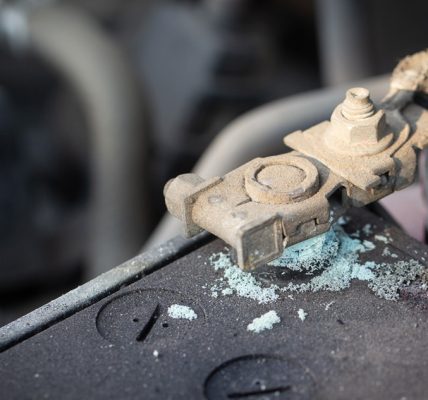
Humidity plays a major role in electrical system failures within the steering wheel. Moisture can enter small gaps and corrode connectors over time. This leads to issues like unresponsive controls or warning lights. Miami’s coastal environment increases the risk of salt-related corrosion as well. These factors combine to create hidden electrical problems.
Regular cleaning and inspection can help detect early signs of corrosion. Drivers should address any unusual behavior immediately to prevent further damage. Using protective treatments for electrical components can also help. Therefore, proactive care reduces long-term risks.
Heavy Rain and Flooding
Miami frequently experiences heavy rain and localized flooding, which can impact steering systems. Water exposure can damage sensors and electronic modules connected to the steering column. In some cases, water intrusion leads to delayed system failures weeks later. Drivers may not connect the issue to past flooding events. This makes diagnosis more difficult.
Avoiding flooded roads and checking the vehicle after exposure can prevent problems. Mechanics can inspect for hidden water damage and recommend repairs. Early action minimizes the impact of water-related issues. Therefore, caution during storms is essential.
Related:
Suspension and Steering Repairs: How to Fixing Steering Overcorrection Issues
How to Protect Your Vehicle Electronics with Car Battery Maintenance
Warning Signs Drivers Should Never Ignore
Recognizing early warning signs helps prevent serious steering failures. Many issues start small and become dangerous if ignored. Drivers should pay attention to changes in steering feel, sound, and responsiveness. Addressing these signs early can save both time and money. Therefore, awareness is critical.
Here are key warning signs to watch for:
- Steering wheel feels unusually stiff or loose
- Buttons or controls stop working intermittently
- Vibrations occur at specific speeds
- Steering response feels delayed or inconsistent
- Unusual noises during turning
Each of these signs indicates a potential problem that requires inspection. Ignoring them can lead to system failure or accidents. Drivers should seek professional diagnosis as soon as possible. Therefore, timely action ensures safety.
Practical Steps to Prevent Steering Wheel Malfunctions
Preventive maintenance remains the most effective way to avoid steering issues. Regular checks help identify problems before they escalate. Drivers should follow a consistent maintenance schedule based on manufacturer guidelines. Additionally, adapting maintenance to Miami’s climate improves results. Therefore, prevention saves both money and stress.
Key preventive steps include:
- Check power steering fluid regularly
- Inspect tires for wear and proper inflation
- Test steering wheel controls periodically
- Schedule alignment and balancing checks
- Protect the vehicle from excessive heat and moisture
Following these steps reduces the likelihood of hidden malfunctions. Drivers can also keep a maintenance log to track changes over time. This helps identify patterns and recurring issues. Therefore, consistency leads to better outcomes.
When to Seek Professional Help
Some steering issues require immediate professional attention. Drivers should not attempt to fix complex problems without proper tools or knowledge. Electrical faults, in particular, can affect safety systems like airbags. Therefore, professional diagnosis ensures accurate and safe repairs.
If the steering wheel shows multiple symptoms at once, it likely indicates a deeper issue. Mechanics can use diagnostic tools to identify the root cause quickly. Delaying repairs often increases costs and risks. Drivers should prioritize safety over convenience. Therefore, seeking help early is always the best choice.
Cost Considerations for Repairs in Miami
Repair costs for steering wheel issues vary depending on the problem. Minor fixes like fluid replacement or alignment are relatively affordable. However, replacing components like the clock spring or steering rack can be more expensive. Miami’s labor costs may also influence pricing. Therefore, understanding potential costs helps drivers plan ahead.
Regular maintenance reduces the likelihood of expensive repairs. Drivers can also compare service providers to find fair pricing. Investing in preventive care often costs less than major repairs. Therefore, a proactive approach is financially beneficial.
Conclusion
Hidden steering wheel malfunctions can pose serious risks for drivers in Miami, FL, especially when combined with the region’s challenging climate. Many of these issues develop gradually, making them easy to overlook until they become dangerous. By understanding common problems, recognizing warning signs, and following preventive steps, drivers can maintain safe and reliable steering performance. Regular inspections and timely repairs play a critical role in avoiding costly damage. Take action today by scheduling a steering system check and ensuring your vehicle remains safe on Miami’s roads.
FAQs
What causes steering wheel stiffness in Miami?
Heat and degraded power steering fluid often cause stiffness, along with wear in steering components.
Why do steering wheel buttons stop working?
A faulty clock spring or moisture-damaged wiring usually causes control failures.
Is steering vibration dangerous?
Yes, it can indicate alignment or suspension issues that affect vehicle control.
How often should I check my steering system?
You should inspect it during routine maintenance, at least every 6 months.
Can humidity damage steering components?
Yes, moisture can corrode electrical connections and cause hidden failures.