Car Ownership Costs: The Complete Guide to What a Vehicle Really Costs
Key Takeaways
- Car ownership costs extend far beyond the monthly loan payment.
- Depreciation remains the single largest expense most owners underestimate.
- Insurance, fuel, and maintenance vary significantly by vehicle type.
- Understanding true costs helps you choose a car that fits your budget.
- Smart planning reduces financial stress across years of ownership.
Buying a car feels like a single transaction, but ownership never really ends there. As automotive valuation experts at vehicletradeus.com frequently warn, car ownership costs quietly accumulate across depreciation, insurance, fuel, and repairs for years afterward. According to AAA’s 2025 Your Driving Costs study, the total cost of owning and operating a new vehicle reached $11,577, or $964.78 per month. That figure surprises most first-time buyers completely.
This guide breaks down every major expense category, using the latest available data. A coworker once financed a truck based purely on the monthly payment, ignoring insurance and fuel costs entirely. Within a year, she realized her true monthly spending exceeded her budget by nearly $300. That story illustrates exactly why understanding full ownership costs matters before signing anything.
Why the Sticker Price Tells Only Part of the Story
Buyers often fixate on a vehicle’s purchase price, treating it as the primary cost. However, that number represents just the starting point of a much longer financial commitment. Insurance, fuel, maintenance, and depreciation all add substantial ongoing expense.
AAA’s research, drawn from five top-selling models across nine vehicle categories, calculates these combined costs over five years. The study breaks down ownership expenses including depreciation, financing, fuel, insurance, licensing, and maintenance. This comprehensive approach reveals costs a simple sticker price completely hides.
Interestingly, 2025 brought a rare decline in overall ownership expenses. AAA attributed this drop to lower fuel prices, more affordable vehicle options, reduced depreciation, and lower finance charges. That’s encouraging news, though costs remain substantial for most household budgets.
The logic behind tracking full costs is straightforward. A cheaper car with poor fuel economy and high insurance rates can cost more overall than a pricier, more efficient alternative. Therefore, comparing total ownership costs matters more than comparing sticker prices alone.
Mileage also changes the calculation significantly. Average ownership costs per mile drop from $1.00 at 10,000 miles annually to 66 cents at 20,000 miles. Driving more actually lowers your cost per mile, since fixed expenses spread across greater distance.
Understanding this full picture prevents the budget shock my coworker experienced. Every category deserves individual attention before committing to any specific vehicle.
Depreciation: The Cost Nobody Talks About
Depreciation quietly outweighs every other ownership expense, yet buyers rarely discuss it seriously. It’s the value your car loses simply by existing and aging, regardless of how carefully you drive it.
According to AAA’s 2025 findings, average annual vehicle depreciation reached $4,334, though this amount varies greatly depending on vehicle type. That’s a loss you absorb without writing a single check, yet it directly affects your net worth.
The pattern behind depreciation follows a predictable curve. Cars typically lose around 15 to 20 percent of their value in the first year, then roughly 15 percent annually over the following four years. This steep early decline explains why buying slightly used vehicles often makes better financial sense.
Some vehicle types hold value better than others, based on demand and reliability reputation. Trucks and certain SUVs historically depreciate slower than luxury sedans or electric vehicles with rapidly evolving technology. Researching depreciation curves before purchasing helps protect long-term resale value significantly.
Understanding depreciation also changes how you think about financing. Rolling negative equity from one loan into another compounds this loss dramatically. Therefore, avoiding upside-down loans protects you from depreciation’s full financial impact.
Insurance, Fuel, and Maintenance: The Ongoing Expenses
Beyond depreciation, three recurring categories directly shape monthly ownership costs. Insurance, fuel, and maintenance all fluctuate based on vehicle type and driving habits.
Insurance costs vary more than most buyers expect. AAA reports the average annual premium for full-coverage insurance is $1,694, though this figure varies by vehicle category and driver profile. Electric vehicles often carry noticeably higher premiums than comparable gas models.
Fuel costs depend heavily on vehicle type and powertrain choice. Drivers pay an average of 13 cents per mile for fuel, translating to roughly $1,950 annually for 15,000 miles driven. However, this average masks significant differences between vehicle categories.
Consider these annual fuel cost comparisons for different vehicle types:
- Medium sedan: $1,669 for gas, $728.75 for electric, $1,100 for hybrid.
- Compact SUV: $1,714 for gas, $739 for electric, $1,348 for hybrid.
- Pickup truck: $2,676 for gas, $1,174 for electric, $2,392 for hybrid.
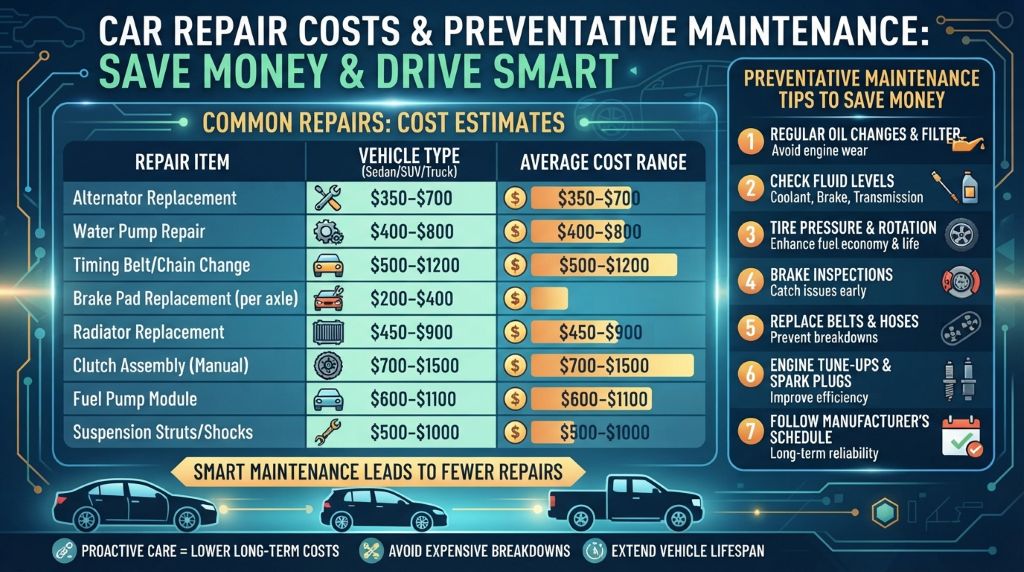
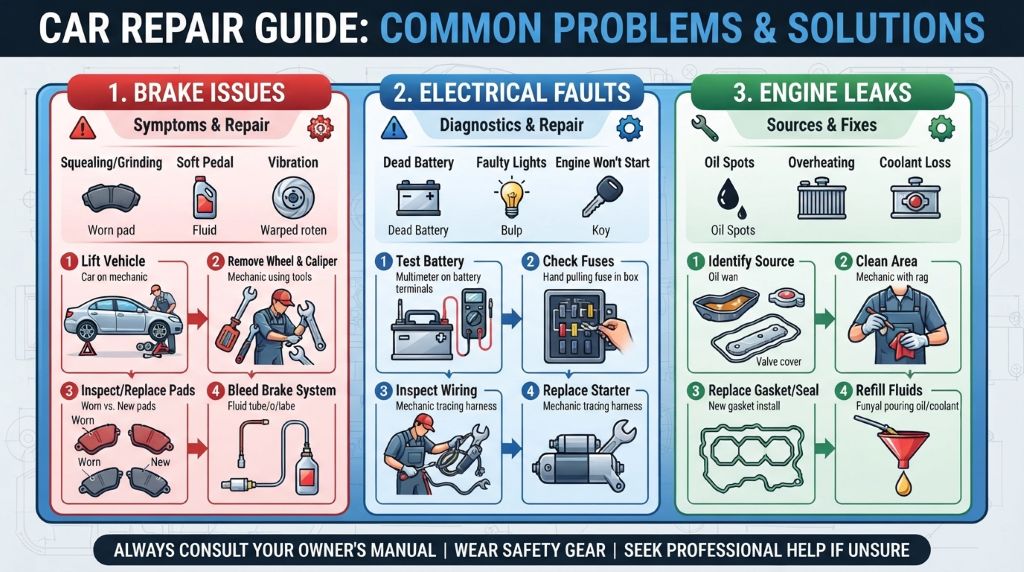
Maintenance costs round out this category, typically running several hundred dollars annually for routine service. Larger vehicles and those with complex systems generally cost more to maintain than compact, mechanically simple models.
How to Estimate Your Own True Ownership Costs
Calculating personal ownership costs requires gathering a few specific numbers before shopping. Start with your target vehicle’s estimated insurance premium, since rates vary by driver history and location.
Next, estimate annual mileage honestly, since this affects both fuel costs and depreciation calculations. Commuters driving 20,000 miles yearly face different math than occasional weekend drivers covering far less distance.
Factor in financing terms carefully, including interest rate and down payment size. A larger down payment reduces both monthly payments and total interest paid over the loan’s life. Therefore, saving longer before purchasing often saves significant money overall.
Don’t forget licensing, registration, and tax costs, which vary considerably by state and vehicle type. These fees, while smaller individually, add up meaningfully across years of ownership.
Finally, build a maintenance reserve fund separate from your regular budget. Setting aside even $50 monthly creates a buffer against unexpected repair costs. This habit prevents financial stress when inevitable repairs eventually arise.
Final Thoughts
Car ownership costs extend far beyond the number on a price tag or loan agreement. Depreciation, insurance, fuel, and maintenance combine to create a much larger financial picture. Maintenance expenses can also vary significantly between vehicles, making car maintenance costs by Make and model a useful way to understand what you may spend over time. AAA’s 2025 data showing $11,577 in average annual costs proves just how substantial this commitment really is.
My coworker’s budget shock remains a useful reminder for anyone shopping for a new vehicle. Calculating true costs before purchasing prevents unpleasant surprises down the road. Take time to run these numbers before signing anything, and your future self will thank you.
Share this guide with someone shopping for their next car, or leave a comment about a cost that surprised you. Real experiences help other readers budget more accurately.
Frequently Asked Questions
What is the average annual cost of owning a new car?
According to AAA’s 2025 study, average annual ownership costs total $11,577, or about $965 monthly.
Which expense category costs owners the most overall?
Depreciation typically represents the largest single expense, averaging $4,334 annually according to AAA.
Are electric vehicles cheaper to own than gas vehicles?
Fuel costs run lower for electric vehicles, though insurance premiums often run higher.
How much should I budget monthly for car maintenance?
Setting aside $50 to $100 monthly creates a reasonable buffer for routine and unexpected repairs.
Does driving more miles increase or decrease cost per mile?
Driving more actually lowers cost per mile, since fixed expenses spread across greater distance.