Winter creates serious driving challenges across Chicago, especially when temperatures drop below freezing for long periods. According to national weather records, Chicago averages nearly 37 inches of snowfall annually, while thousands of weather related crashes happen every winter. Many drivers also overlook simple preparation habits, including car trunk organization hacks, which help keep emergency supplies accessible during harsh conditions. This guide explains why winter gear becomes difficult to manage and offers practical solutions that improve safety and convenience.
Why Winter Driving Demands Better Preparation
Chicago winters combine freezing temperatures, snow, ice, and strong winds into one difficult driving environment. These changing conditions challenge both experienced and new drivers every season.
Many people purchase winter gear without understanding how every item supports safe driving. Meanwhile, ignoring suspension performance often increases handling problems during slippery conditions. Learning about steering overcorrection issues also helps drivers maintain better vehicle control.
Proper preparation reduces stress before every trip. It also saves valuable time during emergencies because essential equipment remains organized and easy to reach.
Common Reasons Drivers Struggle With Winter Gear
Limited Storage Space
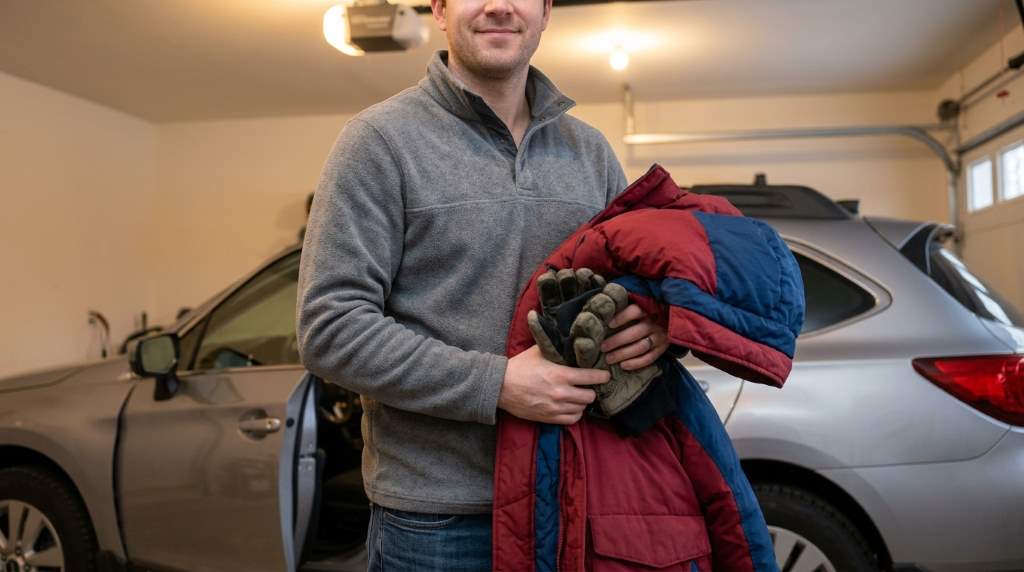
Many vehicles offer limited cargo capacity after groceries, sports equipment, and daily essentials fill available space. Consequently, bulky winter gear often becomes difficult to organize efficiently.
Snow brushes, jumper cables, blankets, boots, and emergency kits quickly create unnecessary clutter. Organized storage systems solve this problem without reducing passenger comfort.
Changing Weather Conditions
Morning roads may remain dry while evening commutes become covered with ice and heavy snow. Therefore, drivers often underestimate how much equipment they actually need.
Weather forecasts also change quickly throughout the day. Carrying versatile gear provides greater flexibility during unexpected winter storms.
Lack of Seasonal Maintenance
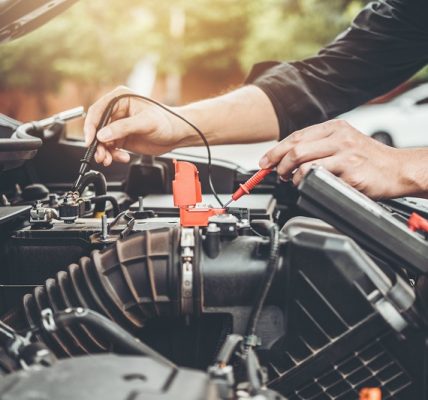
Many drivers focus only on winter accessories while ignoring routine vehicle maintenance before cold weather arrives. However, mechanical problems often create greater safety risks than missing equipment.
Heating systems deserve special attention before winter begins. Understanding cars lose heat during severe winter conditions helps drivers avoid uncomfortable and dangerous situations.
Essential Winter Gear Every Driver Should Carry
Carrying the right equipment improves confidence during snowstorms and unexpected roadside emergencies. Every item should remain clean, functional, and easy to locate.
- Heavy insulated blanket
- Ice scraper and snow brush
- Portable flashlight with spare batteries
- Jumper cables or portable jump starter
- First aid kit
- Phone charging cable
- Reflective warning triangles
- Small shovel
- Extra winter gloves
- Bottled water and shelf stable snacks
Review every item before winter starts. Replace damaged supplies immediately because emergencies rarely provide second chances.
Smart Organization Makes Winter Easier
Well organized vehicles reduce panic during stressful roadside situations. Drivers locate emergency supplies much faster when every item has a designated storage location.
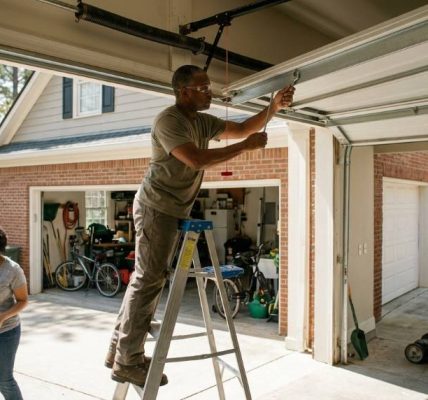
Storage bins, cargo organizers, and waterproof containers protect important equipment from moisture and road salt. Similarly, keeping garage storage organized with safe garage door balancing methods supports safer seasonal vehicle preparation.
Label storage containers whenever possible. Family members can then locate important supplies without wasting valuable time.
Practical Tips for Safer Winter Driving
Safe driving begins before turning the ignition key. Small preparation habits consistently reduce risks throughout the entire winter season.
- Check tire pressure every month.
- Refill windshield washer fluid regularly.
- Remove snow completely before driving.
- Maintain extra following distance.
- Drive smoothly without sudden braking.
- Keep your fuel tank above half full.
- Monitor weather forecasts before traveling.
These simple habits improve safety regardless of driving experience. Consistency matters more than expensive accessories during challenging weather.
How Clothing Choices Affect Winter Driving
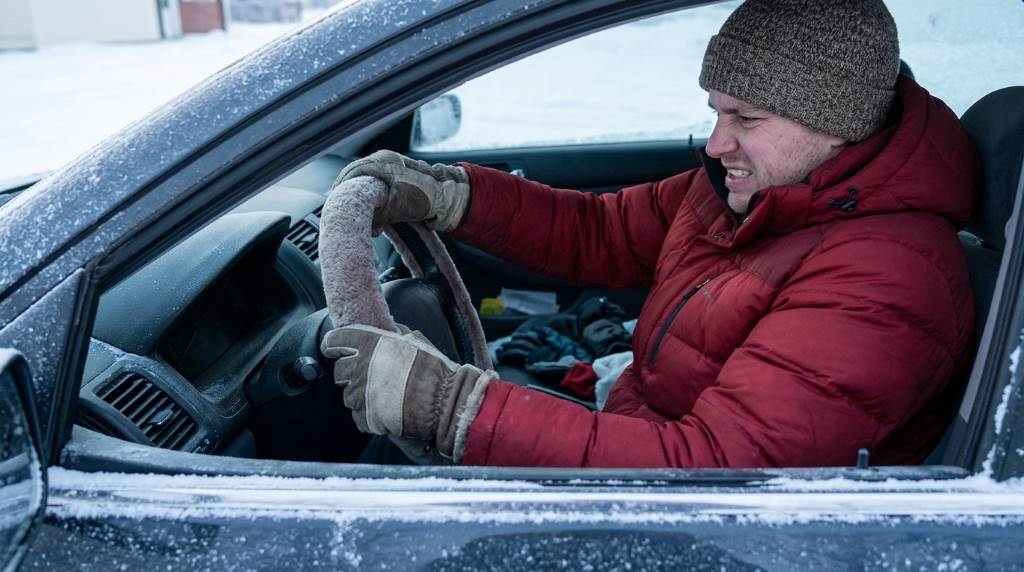
Many drivers wear oversized winter coats inside their vehicles. Thick clothing often limits movement and reduces proper seat belt positioning.
Instead, warm the vehicle before leaving whenever possible. Wearing flexible winter layers improves both comfort and driving control.
Waterproof boots also deserve attention during winter commutes. Dry footwear prevents slipping while entering or exiting the vehicle.
Technology Can Improve Winter Readiness
Modern vehicles include helpful technologies that support safer winter driving. Drivers should understand each feature before severe weather arrives.
Remote starters warm the cabin before departure. Heated mirrors improve visibility by reducing frost and ice buildup.
Navigation applications also provide real time traffic updates during storms. Consequently, drivers avoid hazardous roads and unexpected delays.
Building Better Winter Habits
Preparation works best when it becomes part of a consistent seasonal routine. Checking supplies every few weeks prevents unpleasant surprises later.
Create a simple winter checklist and review it before major storms. Regular inspections also reduce forgotten maintenance tasks throughout the season.
Families should discuss emergency plans before traveling during severe weather. Everyone benefits from knowing where supplies remain stored inside the vehicle.
Conclusion
Chicago winters test every driver with unpredictable weather, icy roads, and freezing temperatures that demand careful preparation. Organized storage, routine maintenance, and reliable emergency gear significantly improve safety throughout the season.
Start preparing before the first major snowfall instead of waiting for dangerous conditions. Review your winter supplies today, organize your vehicle carefully, and build habits that keep every trip safer and less stressful.
Frequently Asked Questions
Why do Chicago drivers need extra winter gear?
Chicago experiences frequent snow, ice, and freezing temperatures that increase driving risks.
What is the most important winter emergency item?
A complete emergency kit with blankets, lights, and jumper cables provides the greatest overall value.
How often should winter gear be inspected?
Check all winter supplies at least once each month during the cold season.
Does vehicle maintenance matter as much as winter gear?
Yes, regular maintenance greatly improves safety and vehicle reliability during winter conditions.
How can drivers keep winter gear organized?
Use waterproof storage bins and keep emergency equipment in dedicated compartments.