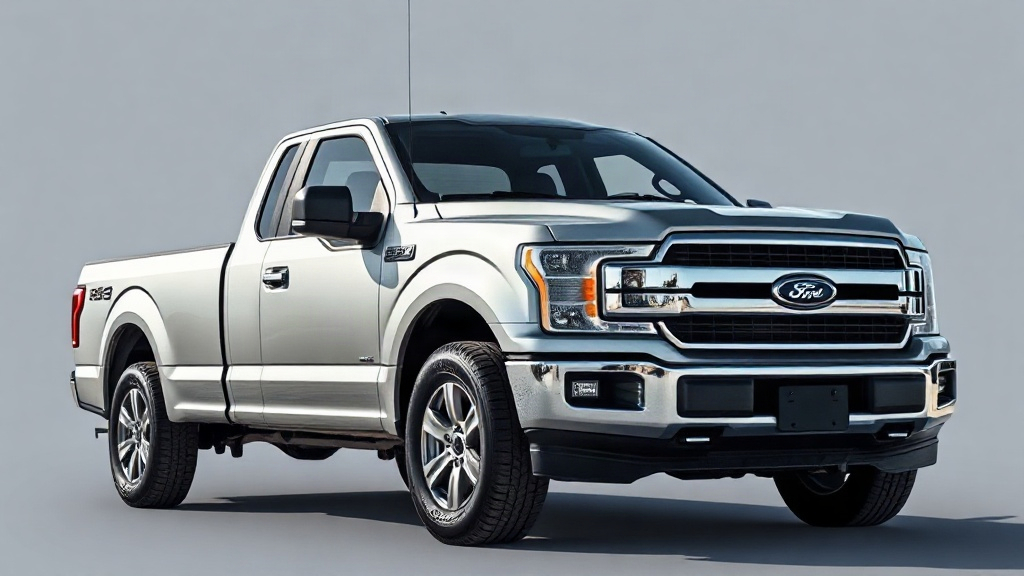
Shopping for Most Reliable Used Pickup Trucks That Will Last Over 200k Miles usually starts with a mix of hope and worry. You want a truck that handles real work without becoming a repair bill every month. The trick is knowing which models, years, and drivetrains have a track record of going the distance.
Quick answer: Stick with proven V8 or well-maintained V6 models from Toyota, Ford, Chevrolet, and Ram, favor simple drivetrains, and inspect the frame and service history before anything else. Mileage above 100,000 is fine if the truck was maintained and rust is minimal. A careful pre-purchase inspection matters more than the badge on the grille.
This article breaks down what makes a used truck last past 200,000 miles, which models hold up, and the mistakes that turn a bargain into a money pit. You’ll finish with a clear framework for screening trucks before you hand over cash.
What is Most Reliable Used Pickup Trucks That Will Last Over 200k Miles?
The idea is simple: some half-ton and heavy-duty pickups routinely pass 200,000 miles when owners keep up with maintenance. Others hit major transmission or engine repairs by 120,000 miles. “Reliable” here means a combination of durable design, cheap and available parts, and a strong history of high-mileage examples.
A few factors drive that durability:
- Engine and transmission pairing. A proven V8 paired with a well-regarded automatic transmission generally outlasts a complex, high-strung setup.
- Frame and body condition. Rust kills more trucks in the Snow Belt than broken engines do. A solid frame matters more than a clean interior.
- Service records. A truck with documented oil changes, fluid services, and timing belt work is worth more than one with blank paperwork.
- Parts availability. Popular models mean cheap replacement parts and mechanics who know them.
Certain nameplates earn high-mileage reputations repeatedly. The Toyota Tacoma and Tundra are the usual reference points. Ford’s F-150 with the 5.0L V8 or 3.5L EcoBoost (later years) has a large owner base with 200,000-mile examples. GM’s Silverado and Sierra with the 5.3L V8 are common work trucks that routinely pass 200,000 miles. Ram’s 5.7L Hemi also has a strong following, though transmission and manifold issues show up if maintenance lags.
The takeaway: a reliable high-mileage truck is a specific combination of model, year, drivetrain, and upkeep—not a single brand.
Pay attention to model-year transitions, too. The first year or two after a redesign often brings teething problems that later years correct, so a truck built a few seasons into a generation is frequently the smarter pick. Fleet trucks are worth a look as well, since many carry detailed maintenance logs and fixed service intervals, even if the seats show wear.
Why Most Reliable Used Pickup Trucks That Will Last Over 200k Miles matters
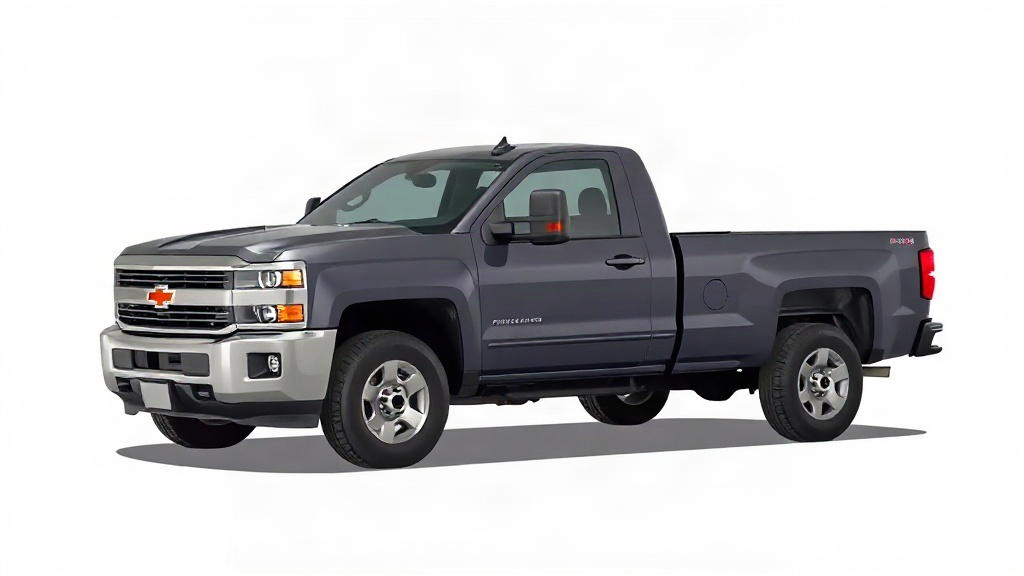
A used truck is one of the largest purchases many people make outside a home. Choosing well protects your wallet for years. Choosing badly means recurring repairs, downtime, and resale value that collapses.
The math is straightforward. A truck that reaches 250,000 miles spreads its purchase price across far more working years than one that needs a transmission at 110,000 miles. A replacement transmission can run several thousand dollars, and that’s before labor costs. Frame rust is worse—it can make a truck unsafe or unsellable.
Reliability also affects how you use the truck. A dependable rig tows a trailer, hauls materials, and handles winter without drama. An unreliable one sits in a shop while you rent a substitute.
Consider two buyers. One pays a premium for a well-documented Tundra with 140,000 miles and drives it another eight years. The other saves a few thousand dollars on an older truck with no records and ends up replacing brakes, suspension, and a water pump in year one. The cheaper truck often costs more.
There’s also a safety angle. Worn brakes, tired suspension, and rusted frames reduce control under load. A thorough inspection protects you and everyone sharing the road.
Mileage alone rarely predicts failure. A 150,000-mile truck with complete service records usually beats an 80,000-mile truck with unknown history.
The takeaway: paying for reliability up front usually costs less than paying for repairs later.
Resale tells a similar story. Trucks with a strong durability record tend to hold value longer, so part of your purchase price comes back when you sell or trade. A model with a shaky reputation can lose value quickly, which narrows your options if your needs change.
Best practices
Start with a plan, not a listing. These steps will help you screen trucks efficiently.
1. Pick three target models and years.
Use owner forums and reliability reports to narrow your shortlist. Focus on model years with known fixes, such as updated transmissions or corrected engine issues.
2. Ask for service records before you drive anywhere.
Look for regular oil changes, transmission fluid service, and coolant maintenance. Missing records aren’t automatic dealbreakers, but they lower the price you should pay.
3. Inspect the frame first.
Get underneath with a flashlight and a screwdriver. Poke at the frame rails, crossmembers, and cab mounts. Surface rust is normal; flaking metal and holes are not.
4. Budget for a pre-purchase inspection.
A mechanic’s inspection typically costs a modest flat fee and can reveal engine codes, compression issues, and hidden rust. It is the best money you’ll spend in this process.
5. Test the truck under load.
If possible, tow something or carry weight during the test drive. Listen for transmission slipping, vibrations, and unusual engine noise at highway speed.
6. Check the four-wheel-drive system and differentials.
Engage 4WD on a loose surface. Listen for grinding or hesitation. Repair costs here add up fast.
7. Verify the title and history.
Run a vehicle history report and confirm the title is clean. A salvage or rebuilt title changes the value and your insurance options.
Comparison: gas vs. diesel for high-mileage use
| Factor | Gas V8 | Diesel |
|---|---|---|
| Upfront cost | Lower | Higher |
| Maintenance cost | Lower | Higher |
| Towing capacity | Strong | Strongest |
| Longevity with care | Very good | Excellent |
| Repair complexity | Simpler | More complex |
Diesel trucks can outlast gas models, but repairs and emissions components cost more. For casual towing, a gas V8 often makes more financial sense.
Photograph every rust spot and service sticker you find. A seller who welcomes inspection usually has nothing to hide.
The takeaway: a disciplined inspection process saves money and stress more than any single brand choice.
Bring a printed checklist so you inspect the same items on every truck and can compare notes afterward. Cold-start the engine yourself and watch for blue or white smoke, which can signal worn rings or head gasket trouble. A seller who warms the truck before you arrive may be hiding a rough start.
Common mistakes to avoid
Even careful buyers stumble on a few predictable traps.
Buying on mileage alone.
A low-mileage truck that sat unused for years can have dried seals, stale fluids, and rusted brake lines. Sitting is its own kind of wear.
Skipping the frame inspection.
Cosmetic rust on body panels is manageable. Rust on the frame is often terminal. Never buy a truck with a compromised frame, no matter how good the engine sounds.
Ignoring the transmission.
Engine problems get attention, but transmission failures are among the most expensive repairs on a high-mileage truck. Check fluid color and smell, and test shifts under acceleration.
Overpaying for modifications.
Lift kits, oversized tires, and aftermarket tuners can stress drivetrains and void warranties. A stock truck is usually the safer bet.
Trusting a verbal history.
“Highway miles” and “always maintained” mean nothing without paperwork. Ask for receipts, and call the shop that did the work to confirm.
Forgetting insurance and registration costs.
A heavy-duty truck costs more to insure and register than a half-ton. Factor those costs into your budget before you commit.
Falling for a rushed seller.
Pressure to buy today is a red flag. Walk away if the seller won’t allow an inspection or a cold start.
If a seller refuses a pre-purchase inspection or won’t let you check the frame, stop the deal. The risk is rarely worth it.
The takeaway: most expensive mistakes come from skipping verification, not from picking the wrong badge.
Assuming a clean Carfax replaces a hands-on inspection.
Reports miss unreported bodywork, off-road damage, and deferred maintenance. Treat them as one input, not a verdict.
Ignoring how the truck was used.
A truck that towed near its limit every weekend wears differently than one used for light hauling. Ask what it pulled, how often, and whether a weight-distributing hitch was used.
Overlooking the cooling and electrical systems.
Radiators, hoses, water pumps, and aging wiring often fail first on high-mileage trucks. A quick scan of these systems during inspection can save a surprise repair.
FAQ
How many miles is too many on a used pickup?
There’s no fixed ceiling. A well-maintained truck with 150,000 miles and full records often outperforms one with 80,000 miles of neglect. Past 200,000 miles, expect wear items like suspension, brakes, and cooling parts to need attention. Budget for those costs.
Which used pickups hold up best past 200,000 miles?
Toyota Tacoma and Tundra models have the strongest high-mileage reputation. Ford F-150, Chevrolet Silverado, and Ram 1500 models with proven V8 engines also have large owner bases with long-lived examples. Maintenance history matters as much as the model.
How much should I budget for repairs after buying?
Set aside a reserve for the first year. Common items include tires, brakes, fluids, and suspension components. A pre-purchase inspection helps you estimate what’s due soon. Skipping that reserve often turns a small fix into an emergency.
Is a diesel truck worth it for high mileage?
It depends on your towing needs. Diesel trucks can last longer and tow more, but maintenance and emissions repairs cost more. If you tow heavy loads regularly, diesel pays off. For occasional hauling, a gas V8 is usually more economical.
Should I buy a high-mileage truck with a rebuilt title?
Generally, no. Rebuilt titles reduce resale value and can complicate insurance. The repair quality varies widely, and hidden structural damage may remain. Pay for a clean title unless the price is deeply discounted and a mechanic verifies the work.
Conclusion
Finding the Most Reliable Used Pickup Trucks That Will Last over 200k Miles comes down to discipline, not luck. Focus on proven models, verify service records, inspect the frame carefully, and always pay for a pre-purchase inspection. A gas V8 from a popular model line often delivers the best balance of cost and durability. Expect wear items past 200,000 miles, and budget for them rather than fearing them. Your next step: build a shortlist of three models, request records from each seller, and book inspections before you negotiate.