Car Maintenance Checklist to Prevent Engine Stalling and Rough Idle
A reliable car maintenance checklist to prevent engine stalling and rough idle starts with a few simple habits you can check yourself. If your car shudders at a red light or shuts off unexpectedly, the cause is usually a worn part or a neglected service item. Enthusiasts browsing TradeCarHub often ask the same question: which checks actually keep the engine running smoothly? This guide walks through the parts that matter most, the habits that keep them healthy, and the mistakes that cause avoidable trouble.
Quick answer: Follow a regular schedule of air filter changes, spark plug replacement, throttle body cleaning, and fluid checks. Most stalling and rough idle problems trace back to an intake leak, dirty fuel delivery, or a worn ignition component. Catch those early, and the engine keeps idling smoothly.
What is car maintenance checklist to prevent engine?
A car maintenance checklist to prevent engine stalling and rough idle is a routine set of inspections and replacements aimed at keeping combustion steady. Stalling means the engine quits when it should be running. Rough idle means the engine trembles or surges while the car sits still. Both usually come from the same three systems: air intake, fuel delivery, and ignition.
Here is what belongs on a practical checklist:
- Air filter: Replace it roughly every 15,000–30,000 miles, or sooner in dusty conditions.
- Spark plugs: Follow the manufacturer’s interval, often 30,000–100,000 miles depending on plug type.
- Throttle body and idle air control valve: Clean when idling gets uneven or the pedal feels sticky.
- Mass airflow sensor: Clean gently with a dedicated spray when readings seem off.
- Fuel filter: Replace at the interval in your owner’s manual.
- Battery and terminals: Check voltage and clean corrosion every few months.
- Vacuum and intake hoses: Inspect for cracks, loose clamps, and soft spots.
- Engine oil and coolant: Check levels at least monthly and change fluids on schedule.
- Check engine light: Scan stored codes before small faults turn into stalls.
A useful way to think about the list is by frequency rather than by part. Weekly checks cover fluids and tire pressure. Monthly checks cover battery terminals and hoses. Scheduled service covers filters, plugs, and belts. Once you separate the checklist that way, it stops feeling overwhelming.
Stalling and rough idle rarely appear without warning. A slightly dirty throttle body or a slowly failing plug usually causes mild symptoms first. Regular checks catch those mild symptoms while they are still cheap to fix.
The takeaway: build your checklist around air, fuel, spark, and electrical supply, and check the items on a schedule rather than waiting for a problem.
Why car maintenance checklist to prevent engine matters
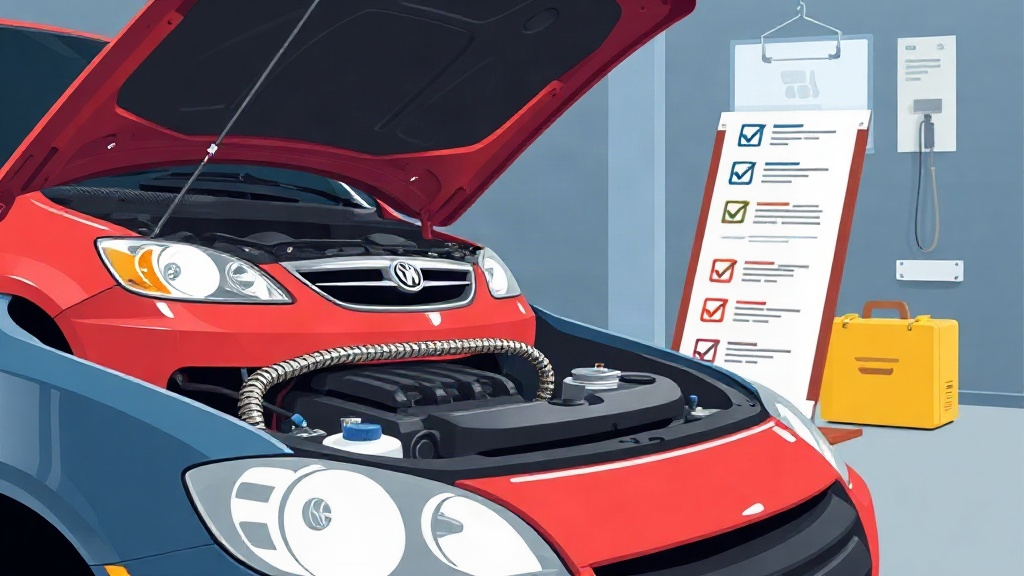
An engine that stalls is a safety problem, not just an annoyance. Losing power in traffic or at an intersection removes your control over acceleration. A car that shudders at idle also tends to misfire under load, which strains the catalytic converter over time. The cost of replacing a converter is far higher than the cost of new spark plugs.
Rough running also drains fuel. When combustion is uneven, the engine works harder for the same output, and you fill up more often. Small faults compound: an intake leak makes the engine run lean, lean running overheats plugs, and overheated plugs misfire more. A maintenance checklist breaks that chain before it starts.
There is a diagnostic benefit too. Drivers who keep clean records know which parts are new and which are due. That shortens the conversation with a mechanic and reduces guesswork. If your car turns off when I stop, for example, the checklist gives you a quick way to rule out simple causes before assuming the worst.
Comparison: symptom vs likely area to check
Use this table as a starting point when the engine misbehaves. Match the symptom to a system, then work through the related checklist items before replacing anything.
| Symptom | First area to check | Typical next step |
|---|---|---|
| Shaking at idle, smooths when revving | Ignition or intake leak | Inspect plugs and hoses |
| Stalls when coming to a stop | Throttle body or idle control | Clean the throttle body |
| Hesitation on acceleration | Fuel delivery or plugs | Check filter and plugs |
| Stalls randomly, restarts fine | Electrical or sensor fault | Scan stored codes |
The takeaway: treat stalling and rough idle as early warning signs, and use the checklist to act on them quickly.
Best practices
Reliable idling comes from a routine, not from reacting to breakdowns. The best practices below keep the engine steady without demanding much time.
Follow the owner’s manual first. Manufacturer intervals are based on the design of your specific engine. Generic advice is a fallback, not a replacement.
Check before you replace. Cleaning a throttle body often restores smooth idle at a fraction of the cost of a new part. Inspect, then decide.
Watch for intake leaks. A cracked vacuum hose lets unmetered air into the engine and causes a lean, rough idle. Run your hands along the hoses with the engine idling and listen for a hiss.
Keep the battery healthy. Low voltage confuses modern engine computers and can cause erratic idle or stalling. Check terminal cleanliness every few months.
Use the right parts. Spark plugs must match the heat range and gap in your manual. The wrong plug can misfire even when new.
Scan codes early. A cheap code reader reveals pending faults before the check engine light stays on. Pending codes are the cheapest warnings you will get.
Drive enough to warm the engine. Short trips leave moisture in the oil and exhaust. An occasional longer drive helps the engine reach full temperature.
Open the hood once a month and check oil, coolant, and battery terminals. This short habit catches most small issues early.
The takeaway: consistency and inspection beat replacement, and the owner’s manual is your reference point.
Common mistakes to avoid
Most preventable stalling problems come from a handful of habits. The mistakes below are worth knowing before you start.
Skipping the air filter. A clogged filter starves the engine of air and makes idle rough. Many drivers never check it between oil changes.
Ignoring a slow-starting engine. A weak battery or worn starter is easy to postpone. Both can leave you stranded when they finally fail.
Using the wrong spark plugs or the wrong gap. A mismatched plug causes misfires that feel like a rough idle.
Spraying cleaners into the throttle body carelessly. Harsh or aggressive sprays can damage sensors and coatings. Use a cleaner meant for the task.
Chasing parts instead of symptoms. Replacing sensors at random wastes money. Diagnose the fault with codes and basic checks first.
Neglecting the fuel filter. A restricted filter causes hesitation and stalling under load. Check the service record.
Treating the check engine light as decoration. A lit light usually means the engine computer has logged a fault. Ignoring it lets a small issue grow.
Fuel additives are not a substitute for maintenance. Follow the manual, and do not pour in several products hoping to fix a mechanical fault.
The takeaway: avoid guesswork, respect the service schedule, and use the correct parts and products for your engine.
FAQ
How much does it cost to diagnose rough idle?
A basic diagnostic scan often costs less than a full inspection at a dealership. Many shops waive the fee if you approve the repair. Cleaning a throttle body or replacing a filter costs far less than replacing sensors or a converter.
How often should I clean the throttle body?
Clean it when idling gets rough or the accelerator feels sticky, or around every 30,000 miles in typical driving. Dusty conditions call for more frequent checks.
Can low-quality fuel cause stalling?
Yes. Contaminated or low-octane fuel in an engine designed for higher octane can cause rough running. Stick to the fuel grade listed in your owner’s manual and avoid stations with visibly poor upkeep.
Is it safe to drive with a rough idle?
Short trips to a shop are usually fine. Persistent stalling in traffic is a real safety risk, so get it checked before long drives.
Do I need a mechanic for every checklist item?
No. Fluid checks, filter replacement, and battery terminal cleaning are doable at home. Spark plugs and codes are manageable for confident owners, and professional inspection covers the rest.
Conclusion
Stalling and rough idle usually begin with a small, cheap-to-fix part: a filter, a plug, a hose, or a dirty throttle body. A steady routine around air, fuel, spark, and electrical supply catches those faults early. Follow your manual, check fluids monthly, scan codes when they appear, and avoid replacing parts before diagnosing them. Start this week by opening your owner’s manual, writing the service intervals on a calendar, and checking your oil and battery terminals today.