Safe Garage Door Balancing Methods Used by Homeowners in Atlanta, GA
Garage doors protect vehicles, improve curb appeal, and increase home security across Atlanta neighborhoods. According to industry reports, garage doors can weigh between 130 and 400 pounds depending on material and size. Additionally, studies show that nearly 70% of homeowners use the garage as their primary home entrance. Because of this heavy daily use, balance issues can quickly create safety concerns. Many homeowners now search for reliable garage door balancing tips to keep systems working smoothly. Proper balancing methods help reduce wear on openers, improve safety, and extend the lifespan of garage door components.
Why Garage Door Balance Matters
A balanced garage door opens and closes evenly without placing excess pressure on springs or tracks. When balance problems develop, the opener works harder and parts wear out faster. Homeowners in Atlanta often notice uneven movement before complete failure occurs. Therefore, early maintenance prevents expensive repairs and safety risks.
Garage doors rely on spring tension to offset the door’s heavy weight. If springs lose tension, the door may slam shut or feel unusually heavy. Moreover, imbalance can damage rollers, cables, and hinges over time. Proper balancing helps maintain smooth and quiet operation throughout the year.
Atlanta’s changing weather also affects garage door systems significantly. Humid summers and occasional winter cold can cause metal components to expand or contract. As a result, springs may lose calibration faster than expected. Homeowners who monitor balance regularly usually avoid sudden breakdowns.
Common Signs of an Unbalanced Garage Door
Recognizing early warning signs helps homeowners address problems before they become dangerous. Many balancing issues begin gradually and worsen with daily use. Therefore, paying attention to small changes is important. Consistent inspections help identify issues quickly.
Uneven Door Movement
A garage door that rises unevenly often indicates spring tension problems. One side may move faster while the opposite side drags behind slightly. Consequently, the tracks and rollers experience extra stress. This uneven movement can eventually bend important hardware.
Loud Noises During Operation
Grinding, squeaking, or banging sounds often signal imbalance or worn components. Although some noise is normal, sudden changes should not be ignored. Furthermore, excessive vibration may loosen mounting brackets over time. Homeowners should inspect noisy systems promptly.
Door Will Not Stay Halfway Open
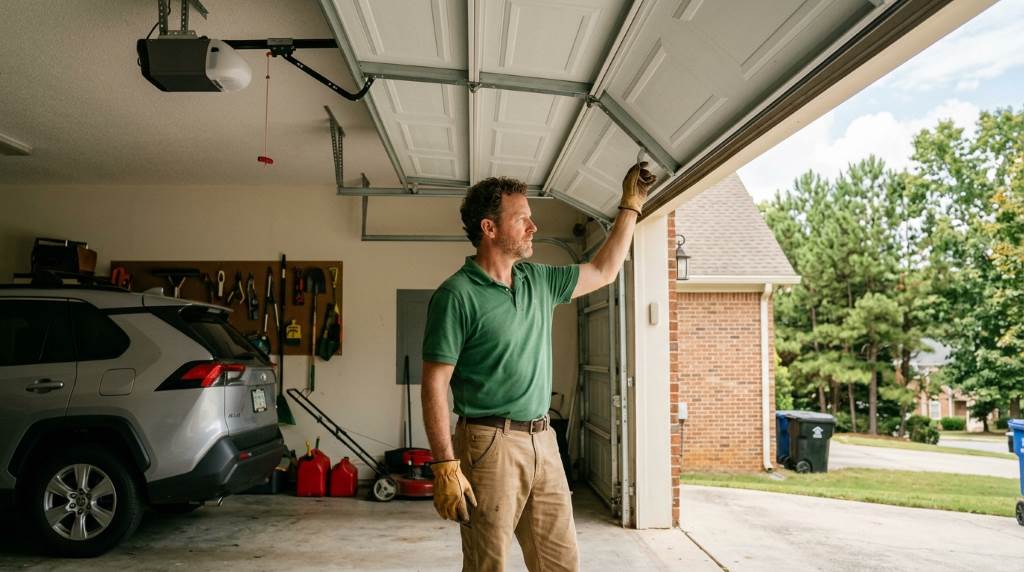
A properly balanced garage door should remain in place when opened halfway manually. If the door drops quickly or rises on its own, spring tension likely needs adjustment. Therefore, this simple test helps homeowners spot balance issues early. However, caution is always necessary during manual inspections.
Safety Precautions Before Balancing a Garage Door
Garage door systems contain high-tension springs that can cause serious injuries if handled improperly. Therefore, safety preparation should always come first. Homeowners must understand their limits before attempting adjustments. Professional assistance remains the safest option for complex problems.
Disconnecting the automatic opener is an important first step before any inspection. This prevents accidental activation while working near moving parts. Additionally, homeowners should secure the door in place using locking pliers when necessary. Stable positioning reduces the chance of sudden movement.
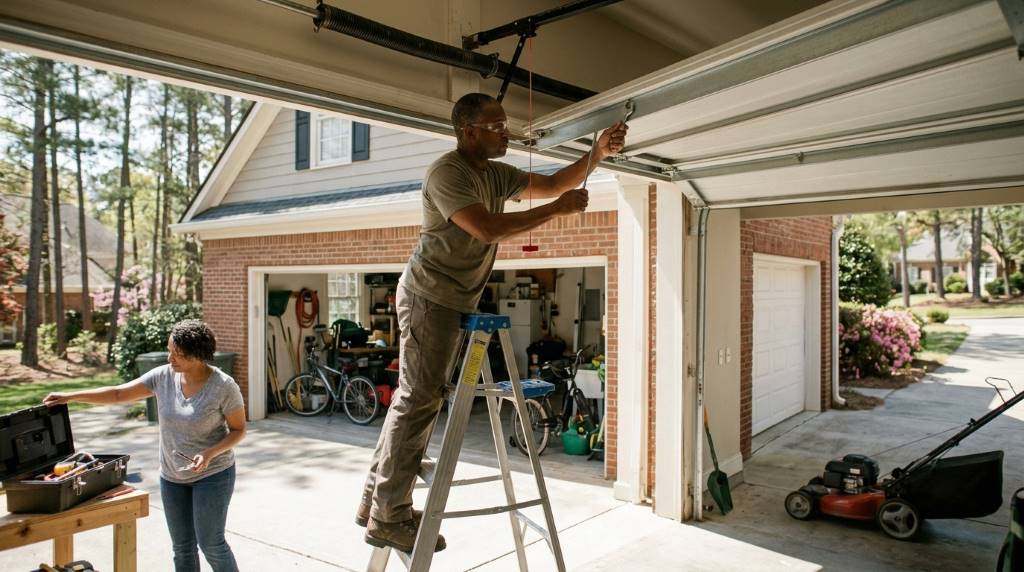
Protective gear also improves safety during garage door maintenance. Safety glasses protect against flying debris while gloves improve grip and reduce cuts. Moreover, sturdy ladders provide better stability when checking overhead components. Simple precautions greatly lower injury risks during inspections.
Manual Balance Testing Methods
Homeowners in Atlanta often perform simple balance tests to evaluate garage door performance. These methods help identify problems without adjusting high-tension components directly. However, careful handling remains important throughout the process. Routine testing also supports preventive maintenance.
The Halfway Position Test
The halfway test remains one of the easiest methods for checking balance. First, disconnect the opener and lift the door manually to the halfway point. Then release the door slowly without applying force. A balanced door should stay in place with minimal movement.
If the door rises or falls rapidly, the springs may require adjustment. Furthermore, sudden movement usually indicates uneven spring tension or worn hardware. Homeowners should avoid forcing the door into position repeatedly. Instead, they should schedule repairs when major imbalance appears.
The Smooth Movement Inspection
Opening and closing the door manually helps reveal resistance points during operation. A balanced system should move smoothly with consistent pressure throughout travel. Additionally, jerking or sticking may signal track alignment issues. Regular inspections help homeowners catch these problems early.
Homeowners should also observe whether the door feels heavier near the bottom or top. Uneven resistance often suggests spring tension inconsistencies. Consequently, components may wear unevenly if ignored for long periods. Monitoring movement patterns improves long-term garage door performance.
Safe DIY Maintenance Practices
Many garage door maintenance tasks remain safe for homeowners when performed carefully. Basic maintenance improves system efficiency and reduces strain on moving parts. However, high-tension spring adjustments should remain limited to trained professionals. Knowing the difference between safe and risky tasks is essential.
Lubricating Moving Components
Lubrication reduces friction and helps garage doors operate more quietly. Homeowners should apply silicone-based lubricant to rollers, hinges, and tracks every few months. Furthermore, proper lubrication decreases stress on the opener motor. Smooth movement also reduces wear on springs.
Atlanta’s humidity can accelerate rust formation on metal components over time. Therefore, regular lubrication becomes especially important in this climate. Wiping away dirt before applying lubricant improves effectiveness significantly. Clean hardware generally lasts longer and performs better.
Tightening Loose Hardware
Daily garage door movement naturally loosens bolts and brackets over time. Homeowners can safely inspect visible hardware using basic hand tools. Additionally, tightening loose screws helps prevent rattling and misalignment. Small adjustments often improve door stability immediately.
However, homeowners should never tamper with torsion spring mounting brackets directly. These parts remain under extreme tension even when the door is closed. Consequently, improper handling can lead to severe injuries. Focusing on accessible hardware provides safer maintenance results.
Understanding Spring Systems
Garage doors typically use either torsion springs or extension springs to maintain balance. Each system functions differently and requires specific maintenance methods. Therefore, homeowners should identify their setup before performing inspections. Basic understanding improves safety awareness significantly.
Torsion Spring Systems
Torsion springs mount above the garage door opening and rotate during operation. These systems offer smoother movement and improved durability compared to extension springs. Additionally, torsion systems distribute weight more evenly across the door. Many newer Atlanta homes use this setup for reliability.
Because torsion springs store tremendous energy, adjustment risks remain very high. Homeowners should limit involvement to visual inspections and basic maintenance only. Furthermore, damaged torsion springs often require immediate professional replacement. Ignoring visible wear can create dangerous operating conditions.
Extension Spring Systems
Extension springs stretch along the horizontal tracks beside the garage door. Older homes in Atlanta commonly use this design due to lower installation costs. However, extension systems require safety cables to prevent accidents if springs break. Proper maintenance helps reduce sudden failures.
Homeowners should inspect extension springs for rust, gaps, or uneven stretching regularly. Additionally, frayed safety cables should receive immediate attention before operation continues. Visual checks help identify wear without direct spring handling. Preventive inspections improve overall garage door safety.
Climate Challenges for Atlanta Homeowners
Atlanta’s climate creates unique challenges for garage door balancing and maintenance. High humidity, seasonal storms, and temperature fluctuations affect metal components significantly. Therefore, homeowners should adapt maintenance schedules to local weather conditions. Consistent care helps reduce climate-related damage.
Summer heat often causes lubricants to dry out faster than expected. Consequently, moving parts may create more friction during operation. Regular lubrication during warmer months helps maintain smoother movement. Homeowners who ignore seasonal maintenance often experience faster hardware wear.
Heavy rain and moisture can also increase rust formation on springs and tracks. Additionally, water exposure weakens untreated metal surfaces over time. Cleaning and drying exposed hardware after storms helps prevent corrosion. Small maintenance steps greatly improve long-term durability.
When Homeowners Should Call a Professional
Some garage door problems require specialized tools and technical experience. Although homeowners can handle basic maintenance safely, spring adjustments involve serious risks. Therefore, recognizing professional repair situations is extremely important. Safety should always outweigh repair costs.
Broken springs require immediate professional attention because the door may become unstable. Additionally, snapped cables or bent tracks create dangerous operating conditions. Attempting major repairs without training increases injury risks significantly. Professional technicians understand proper tension calibration and safety procedures.
Homeowners should also contact professionals if the opener struggles despite proper lubrication and inspections. Persistent imbalance often indicates hidden structural or spring issues. Furthermore, unusual grinding noises may signal internal hardware damage. Early professional repairs usually prevent more expensive replacements later.
Preventive Maintenance Schedule
Routine maintenance remains the best way to avoid serious garage door balancing issues. Homeowners who follow a consistent schedule usually experience fewer breakdowns. Moreover, preventive care extends the lifespan of garage door systems considerably. Small efforts today prevent expensive repairs tomorrow.
A monthly inspection should include checking rollers, hinges, and tracks for visible wear. Homeowners should also test door balance manually during these inspections. Additionally, cleaning dirt and debris from tracks improves movement consistency. Simple habits help maintain reliable operation.
Every six months, homeowners should lubricate moving parts and tighten accessible hardware. Furthermore, weather seals should be checked for cracks or moisture damage. Seasonal maintenance works especially well in Atlanta’s humid environment. Consistent upkeep protects both safety and performance.
Smart Technology and Garage Door Safety
Modern garage door systems now include smart safety features that support balanced operation. Many Atlanta homeowners upgrade openers to improve convenience and reduce maintenance concerns. Additionally, smart systems often provide early warnings about operational issues. Technology continues improving garage door reliability.
Smart openers can monitor movement patterns and detect unusual resistance automatically. Consequently, homeowners receive alerts before major damage occurs. Some systems also allow remote monitoring through smartphone applications. Early notifications help homeowners address problems quickly.
Battery backup systems also improve safety during Atlanta’s storm season. Power outages can leave heavy garage doors difficult to operate manually. Therefore, backup systems provide reliable access during emergencies. Modern technology supports both convenience and safer operation.
Best Practices for Long-Term Garage Door Balance
Maintaining proper garage door balance requires consistent attention and responsible maintenance habits. Homeowners should avoid slamming the door or forcing movement during resistance. Additionally, regular inspections help detect small issues before they worsen. Prevention remains the most cost-effective strategy.
Using the garage door gently reduces unnecessary strain on springs and openers. Furthermore, keeping tracks clean prevents uneven movement caused by debris buildup. Homeowners should also replace worn rollers promptly to maintain smooth operation. Small maintenance habits produce long-lasting results.
Professional tune-ups every one to two years also improve system reliability significantly. Technicians can identify hidden wear that homeowners may overlook during inspections. Consequently, balanced systems remain safer and more efficient over time. Combining DIY care with professional support offers the best long-term outcome.
Related:
How to Use a Garage Vacuum Buying Guide for Smart Decisions
Your Complete Step-by-Step Guide to Cleaning and Maintaining Your Garage Door
Conclusion
Safe garage door balancing methods help Atlanta homeowners protect their families, vehicles, and property from avoidable risks. Routine inspections, lubrication, and careful balance testing support smoother and quieter operation throughout the year. Additionally, understanding when to call a professional prevents dangerous repair mistakes involving high-tension components. Atlanta’s changing climate makes consistent maintenance even more important for long-term performance. If your garage door shows signs of imbalance, schedule an inspection or maintenance service today to prevent costly repairs and improve overall safety.
FAQs
How often should homeowners test garage door balance?
Homeowners should test garage door balance at least once every three months.
Can an unbalanced garage door damage the opener?
Yes, imbalance forces the opener motor to work harder and wear out faster.
Is it safe to adjust garage door springs without training?
No, spring adjustments are dangerous and should only be handled by professionals.
What causes garage door balance problems in Atlanta?
Humidity, temperature changes, worn springs, and daily use commonly cause imbalance.
Why does my garage door close too quickly?
A door that closes rapidly often has weakened or improperly adjusted springs.