How to Protect Your Vehicle Electronics with Car Battery Maintenance
Modern vehicles rely heavily on electronic systems. From engine control units to infotainment screens, almost every function depends on stable electrical power. However, many drivers overlook the role of the car battery in protecting these systems. A weak or poorly maintained battery can damage sensitive electronics and lead to costly repairs.
This guide explains how proper car battery maintenance helps protect your vehicle electronics. It also provides practical tips you can follow to keep your car running smoothly.
Why Vehicle Electronics Need Protection
Today’s vehicles are more like computers on wheels. They include advanced systems such as:
- Engine control modules
- Navigation and infotainment systems
- Sensors and safety systems
- Power windows and locks
- Climate control units
These components rely on consistent voltage. Even small fluctuations can cause problems. Therefore, maintaining a healthy battery is essential.
Additionally, unstable power can lead to:
- System resets
- Warning lights
- Sensor malfunctions
- Reduced performance
In severe cases, it can even damage control modules, which are expensive to replace.
The Role of the Car Battery in Electronic Stability
The car battery does more than start your engine. It also acts as a voltage stabilizer. It ensures that all electronic systems receive steady power.
When the battery is in good condition, it:
- Provides consistent voltage
- Supports the alternator
- Prevents electrical surges
However, when the battery weakens, voltage becomes unstable. As a result, sensitive electronics may fail or behave unpredictably.
Therefore, regular maintenance is not optional. It is necessary for protecting your vehicle’s electrical system.
Common Signs of Battery Problems
Recognizing early warning signs can prevent serious damage. Watch for these symptoms:
- Slow engine start
- Dim headlights
- Flickering dashboard lights
- Unresponsive electronics
- Warning lights on the dashboard
Additionally, if your infotainment system resets frequently, it may indicate voltage instability.
If you notice any of these signs, check your battery immediately. Acting early can save money and prevent breakdowns.
How Poor Battery Maintenance Damages Electronics
Neglecting battery care can lead to several issues. These problems affect both performance and safety.
Voltage Fluctuations
A weak battery cannot maintain steady voltage. As a result, electronic systems may receive too much or too little power.
Electrical Surges
Damaged batteries can cause sudden spikes. These surges can harm control units and sensors.
Corrosion Effects
Corroded terminals reduce electrical flow. Therefore, systems may not function properly.
Increased Load on Alternator
When the battery is weak, the alternator works harder. This can lead to overheating and failure.
In short, poor battery maintenance creates a chain reaction. One small issue can affect the entire electrical system.
Essential Car Battery Maintenance Tips
Maintaining your battery is simple. However, it requires consistency. Follow these tips to protect your vehicle electronics.
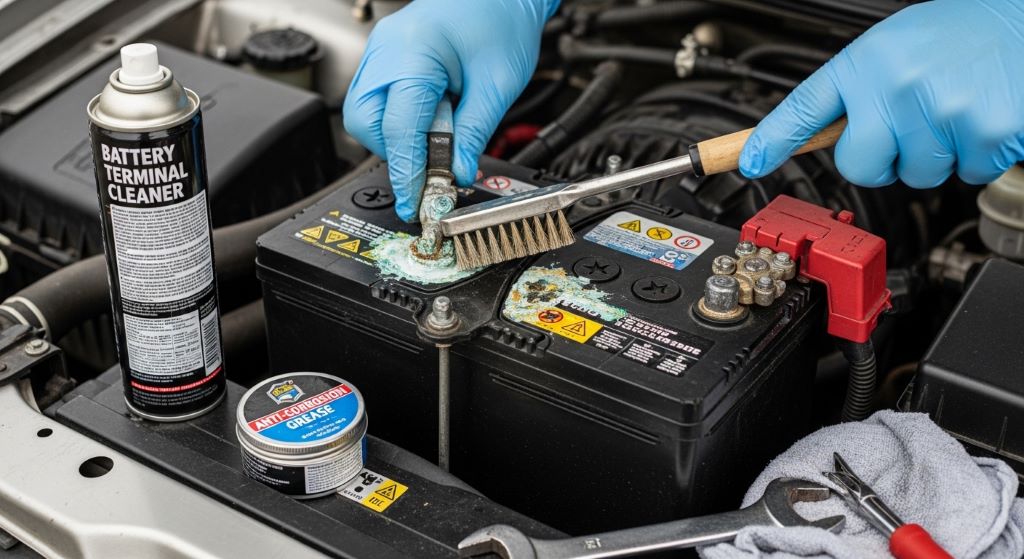
Keep Battery Terminals Clean
Corrosion is a common problem. It appears as white or blue residue on terminals.
To clean terminals:
- Disconnect the battery
- Use a brush and baking soda solution
- Rinse and dry thoroughly
Additionally, apply a protective coating to prevent future buildup.
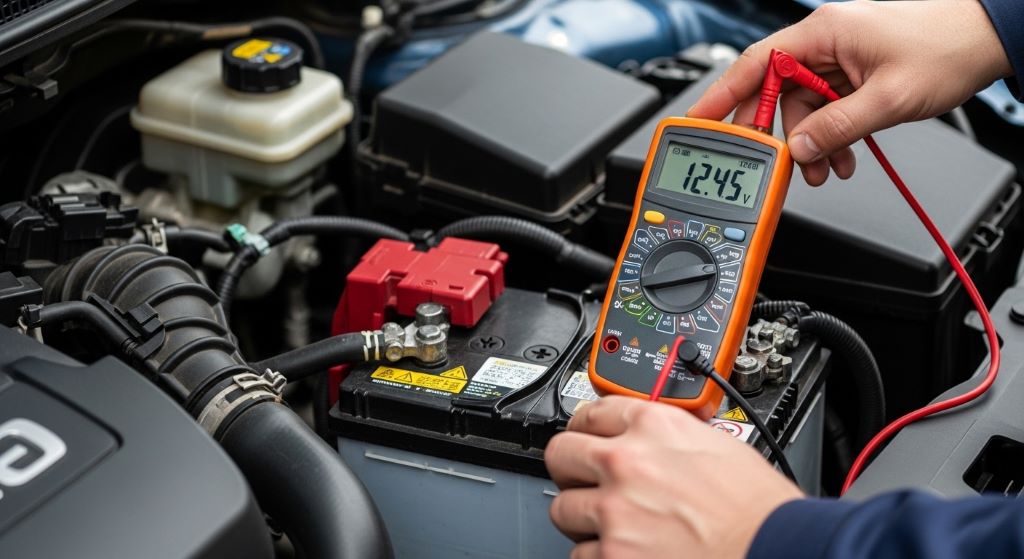
Check Battery Voltage Regularly
A healthy battery typically reads around 12.6 volts when the engine is off.
You can use a multimeter to check voltage. If the reading is low, recharge or replace the battery.
Regular checks help you detect problems early. Therefore, make this a routine habit.
Inspect Battery Connections
Loose connections can cause power interruptions. This can lead to electronic glitches.
Ensure that:
- Terminals are tight
- Cables are not damaged
- Connections are secure
Additionally, replace worn cables immediately to avoid risks.
Avoid Short Trips Frequently
Short trips do not allow the battery to recharge fully. Over time, this weakens the battery.
If possible:
- Take longer drives occasionally
- Allow the alternator to recharge the battery
Therefore, balance short and long trips to maintain battery health.
Turn Off Electronics When Engine Is Off
Leaving electronics on drains the battery. This includes:
- Headlights
- Radio
- Air conditioning
Additionally, avoid charging devices when the engine is off.
Simple habits like this can extend battery life significantly.
Protect Battery from Extreme Temperatures
Heat and cold both affect battery performance.
- Heat can cause fluid evaporation
- Cold reduces battery capacity
Therefore, park in shaded or covered areas when possible.
Additionally, consider using insulation covers in extreme climates.
Test Battery Health Periodically
Even if the battery seems fine, testing is important.
You can:
- Visit a service center
- Use a battery tester
Regular testing ensures your battery is reliable. It also helps avoid sudden failures.
Importance of the Alternator in Battery Maintenance
The alternator works closely with the battery. It charges the battery while the engine runs.
However, if the alternator fails:
- The battery drains بسرعة
- Electronics lose power
Therefore, check the alternator if you experience repeated battery issues.
Additionally, a faulty alternator can damage a new battery. So, always inspect both components together.
How to Choose the Right Car Battery
Selecting the correct battery is crucial. Not all batteries are the same.
Consider these factors:
- Battery size and compatibility
- Cold cranking amps (CCA)
- Reserve capacity
- Brand reliability
Additionally, always follow the manufacturer’s recommendations.
Using the wrong battery can cause electrical issues. Therefore, make an informed choice.
When to Replace Your Car Battery
Car batteries do not last forever. Most last between 3 to 5 years.
However, factors such as climate and usage can shorten lifespan.
Replace your battery if:
- It fails voltage tests
- It struggles to start the engine
- It shows visible damage
Additionally, replacing it on time prevents unexpected breakdowns.
Impact of Modern Technology on Battery Care
Modern vehicles have more electronics than ever. Features such as:
- Keyless entry
- Advanced driver assistance systems
- Touchscreen displays
These systems increase battery demand.
Therefore, regular maintenance is even more important today.
Additionally, newer vehicles are more sensitive to voltage changes. This makes battery care critical for system stability.
Preventive Measures for Long-Term Protection
Prevention is always better than repair. Follow these steps for long-term protection:
- Schedule regular maintenance checks
- Use quality batteries
- Avoid overloading electrical systems
- Monitor dashboard warnings
Additionally, keep a maintenance record. This helps track battery health over time.
Benefits of Proper Battery Maintenance
Taking care of your battery offers several advantages:
- Protects electronic systems
- Improves vehicle performance
- Reduces repair costs
- Extends battery lifespan
- Enhances reliability
Therefore, small efforts can lead to big savings.
Conclusion
Car battery maintenance plays a vital role in protecting your vehicle electronics. A healthy battery ensures stable voltage, prevents electrical issues, and supports all electronic systems.
However, neglecting battery care can lead to serious problems. Voltage fluctuations, corrosion, and weak connections can damage sensitive components.
Therefore, regular inspection, cleaning, and testing are essential. Simple habits like turning off unused electronics and avoiding short trips can make a big difference.
In the long run, proper battery maintenance not only protects your vehicle but also saves money and improves reliability.
Frequently Asked Questions
1. How often should I check my car battery?
You should check your battery every 3 to 6 months. Regular checks help detect issues early.
2. Can a bad battery damage car electronics?
Yes, a weak battery can cause voltage fluctuations. This can harm sensitive electronic systems.
3. What is the average life of a car battery?
Most car batteries last between 3 to 5 years. However, usage and climate can affect lifespan.
4. How do I know if my battery needs replacement?
Signs include slow starting, dim lights, and frequent electronic issues. Testing can confirm the condition.
5. Does weather affect car battery performance?
Yes, extreme heat and cold reduce battery efficiency. Proper protection helps maintain performance.
Related Topics:
Keep Your Truck Bed Rust-Free: Top Solutions for Long-Lasting Protection
Mazda 3 Automatic Transmission Problems: Keeping Your “Zoom-Zoom” Smooth