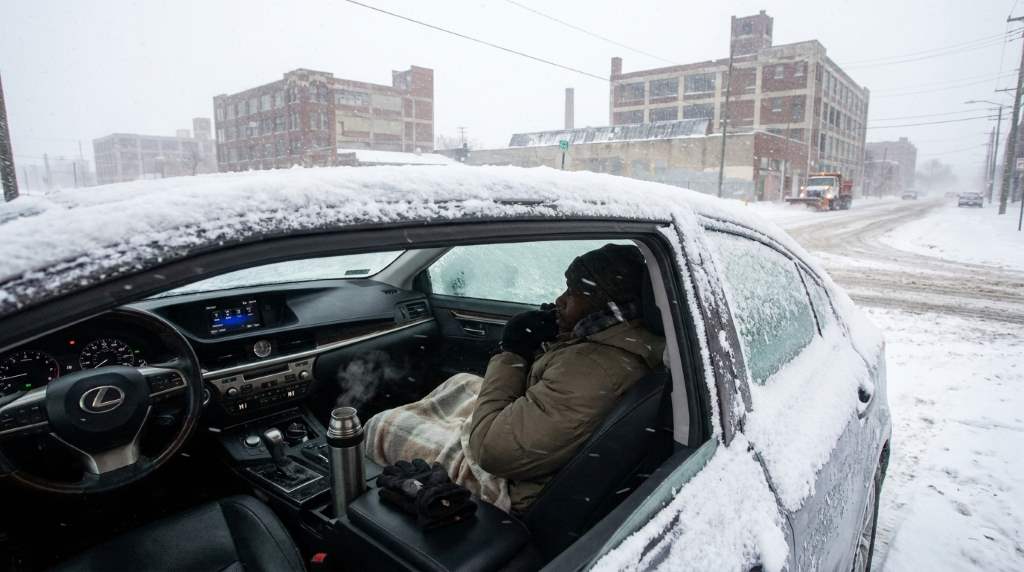
Detroit winters create serious challenges for drivers, especially during intense snowstorms. Temperatures in the city often fall below 20°F, and wind chills can push conditions even lower. According to the National Weather Service, heavy snowfall and freezing air reduce vehicle efficiency in several ways. Many drivers also notice that the car interior temperature in winter drops rapidly despite running the heater continuously. Therefore, understanding why cars lose heat quickly during snowstorms in Detroit, MI helps drivers stay safer, save fuel, and protect their vehicles during harsh winter weather.
Extreme Detroit Temperatures Affect Vehicle Heating Systems
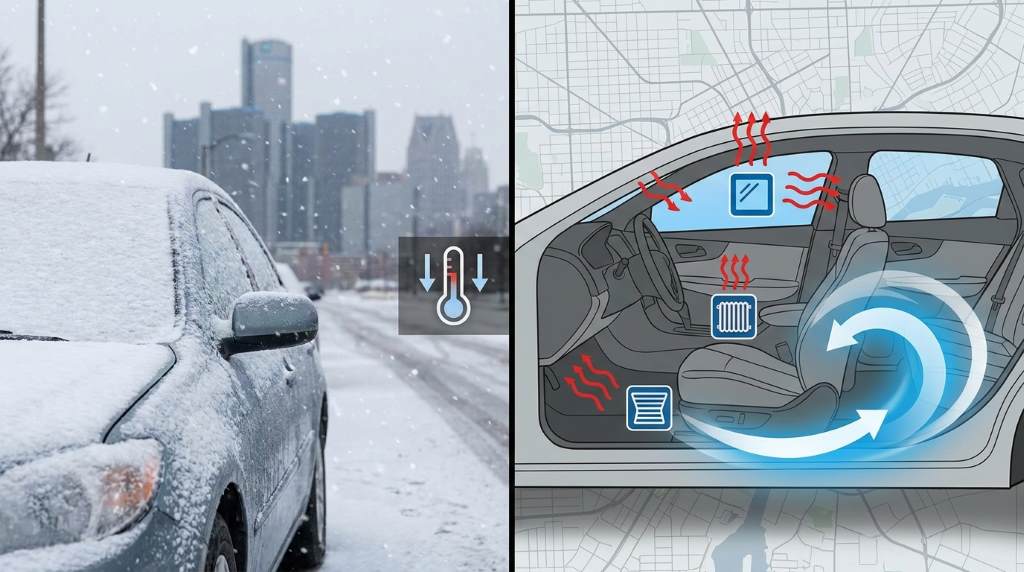
Detroit experiences lake-effect weather patterns that increase cold air intensity during winter storms. Cold air surrounding the vehicle removes cabin heat faster than the heater can replace it. In addition, metal surfaces inside the car absorb warmth and cool down rapidly. This process forces the heating system to work harder throughout the drive.
Snowstorms also create constant airflow around moving vehicles, which speeds up heat loss. Strong winter winds strip away exterior warmth from doors, windows, and engine components. As a result, the engine may struggle to maintain ideal operating temperatures during short trips. Drivers who regularly clean snow buildup can reduce these issues by following water safe rinsing techniques after severe storms.
Cold Engines Produce Less Heat During Startup
Car heaters depend on engine heat to warm the cabin effectively. During Detroit snowstorms, engines take longer to reach operating temperature because freezing coolant circulates slowly. Consequently, drivers may feel cold air blowing from vents for several minutes after starting the vehicle. Short city commutes make this problem even worse during winter.
Many Detroit residents start their vehicles and drive immediately without allowing proper warm-up time. However, modern engines perform better with a brief idle period before driving in extreme cold. Cold oil moves more slowly through the engine and reduces efficiency at startup. Therefore, insufficient warm-up delays cabin heating significantly.
How Engine Size Impacts Cabin Warmth
Smaller engines often lose heat faster during severe snowstorms because they generate less excess thermal energy. Compact cars popular in urban Detroit neighborhoods may struggle more than larger SUVs or trucks. Furthermore, hybrid vehicles sometimes cycle engines off frequently, which interrupts heat production. This situation creates inconsistent cabin temperatures during stop-and-go traffic.
Diesel engines also warm up more slowly than gasoline engines in freezing conditions. Although diesel vehicles provide excellent fuel efficiency, they produce less idle heat during winter driving. Consequently, many diesel owners install auxiliary cabin heaters for additional warmth. These systems help maintain comfort during long snow-covered commutes.
Poor Insulation Causes Faster Heat Escape
Many older vehicles in Detroit have worn door seals and damaged weather stripping. Tiny gaps around windows and doors allow freezing air to enter continuously during snowstorms. At the same time, warm cabin air escapes through these openings very quickly. This constant exchange makes maintaining interior warmth extremely difficult.
Vehicle insulation materials also weaken over time due to moisture, road salt, and seasonal temperature changes. Snow accumulation near door frames can worsen existing seal damage during winter months. Moreover, rust underneath the vehicle sometimes creates hidden air leaks near the floorboards. Drivers dealing with steering or suspension issues caused by rough winter roads may also benefit from this steering overcorrection repairs guide to improve winter handling stability.
The Hidden Effect of Moisture Inside the Cabin
A lesser-known reason cars lose heat quickly involves trapped moisture inside the cabin. Wet boots, snow-covered clothing, and slushy floor mats increase interior humidity during winter. Moist air cools faster than dry air, especially when windows fog repeatedly. As a result, heaters work harder to balance temperature and humidity levels.
Detroit drivers often overlook how soaked carpeting contributes to long-term heat retention problems. Damp interior materials absorb warmth but release it inefficiently during freezing weather. In addition, excess moisture can freeze overnight inside door panels and ventilation systems. This issue reduces airflow and weakens heating performance the next morning.
Snow and Ice Restrict Proper Airflow
Snow buildup around air intake vents limits fresh airflow into the heating system. During heavy Detroit snowstorms, blocked vents reduce blower efficiency and cabin circulation. Ice accumulation near windshield vents can also redirect warm air away from passengers. Therefore, drivers may notice uneven heating throughout the cabin.
Frozen windshield wipers and clogged cabin filters create additional heating strain during storms. Dirty filters reduce airflow volume and make heaters less effective in cold conditions. Consequently, warm air struggles to reach rear seats and lower footwell areas. Regular winter maintenance improves airflow and keeps heating systems operating properly.
Why Cabin Air Filters Matter in Detroit Winters
Cabin air filters trap dust, salt particles, and debris carried by winter winds. However, clogged filters restrict heater airflow and increase interior cooling during snowstorms. Many Detroit drivers replace filters too late because symptoms appear gradually over time. Reduced airflow eventually causes weak heat output and slower windshield defrosting.
Changing cabin filters before winter starts can improve heating efficiency noticeably. Clean filters allow steady airflow through vents and maintain consistent cabin temperatures. Furthermore, fresh filters reduce moisture buildup on windows during snowy commutes. This simple maintenance step supports better visibility and passenger comfort.
Frequent Door Opening Releases Warm Air Instantly
Drivers in Detroit often make multiple stops during snowy weather for errands, deliveries, or school pickups. Every time a car door opens, warm interior air escapes immediately into the freezing environment. Cold outside air then fills the cabin within seconds during strong winter winds. Consequently, heaters must restart the warming process repeatedly.
Ride-share drivers and delivery workers experience this issue more severely during snowstorms. Constant door use prevents cabin temperatures from stabilizing properly throughout the workday. In addition, wet passengers bring snow and moisture inside the vehicle repeatedly. These factors combine to increase heat loss significantly during long shifts.
Battery and Electrical Problems Reduce Heater Performance
Cold temperatures weaken battery output and strain vehicle electrical systems during winter storms. Since heater fans rely on electricity, low battery performance may reduce airflow strength. Weak alternators can also limit power delivery to climate control systems. As a result, cabins may feel colder even when the engine reaches normal temperature.
Detroit winters create heavy demand on electrical components because drivers use heaters, defrosters, headlights, and seat warmers simultaneously. Older batteries struggle to support these systems efficiently during freezing weather. Therefore, voltage drops can affect heater consistency and blower motor speed. Routine battery testing before winter helps prevent sudden heating problems.
Road Salt and Rust Damage Heating Components
Detroit roads receive large amounts of salt during snowstorms to improve driving safety. Unfortunately, road salt accelerates corrosion underneath vehicles and damages heating-related components over time. Rust can weaken coolant lines, heater cores, and metal brackets connected to the climate system. Small leaks eventually reduce heater efficiency and cabin warmth.
Many drivers focus only on engine maintenance while ignoring hidden winter corrosion risks. However, rust buildup affects airflow channels and underbody insulation significantly. Snow mixed with salt often remains trapped beneath vehicles for days after storms. Consequently, corrosion spreads faster during repeated winter exposure.
How Undercarriage Ice Creates Unexpected Heat Loss
An uncommon but real issue during Detroit snowstorms involves ice buildup underneath the vehicle chassis. Thick ice layers form around wheel wells, exhaust components, and undercarriage panels after driving through slush. This frozen buildup increases airflow turbulence beneath the car while driving. As a result, cold air reaches the cabin floor area more aggressively.
Ice accumulation can also interfere with temperature sensors and airflow pathways underneath modern vehicles. Some drivers notice colder rear floor temperatures because underbody insulation becomes packed with frozen slush. In severe cases, trapped ice may partially block exhaust heat circulation near the cabin. Regular winter cleaning helps reduce these hidden heating problems.
Practical Ways to Keep Cars Warmer During Detroit Snowstorms
Drivers can improve cabin heat retention by preparing vehicles before winter arrives. Replacing damaged weather seals prevents cold drafts from entering during snowstorms. In addition, using heavy-duty winter floor mats reduces moisture accumulation inside the cabin. Simple maintenance steps often improve heating efficiency more than expensive upgrades.
Parking inside garages or covered areas also helps vehicles retain warmth longer overnight. Even slightly warmer starting temperatures reduce engine strain during freezing mornings. Drivers should clear snow from vents, hood areas, and windows before driving. This habit improves airflow and supports faster cabin heating.
The following practices also help Detroit drivers maintain cabin warmth during severe winter weather:
- Check coolant levels before every major winter storm.
- Replace cabin air filters at the start of each winter season.
- Inspect door seals and window insulation regularly.
- Remove wet clothing and snow-covered items quickly.
- Wash road salt from the undercarriage frequently.
Why Short Trips Increase Winter Heat Loss
Short urban drives common in Detroit neighborhoods prevent engines from reaching stable operating temperatures. Since heaters depend on engine heat, cabin temperatures remain lower during quick trips. Frequent stops at traffic lights also reduce airflow through heating systems. Therefore, drivers often feel colder during city driving than highway travel.
Repeated short trips additionally increase fuel consumption because engines stay colder longer. Cold engines burn extra fuel to maintain performance during freezing weather conditions. Moreover, battery systems receive less charging time during brief commutes. These combined factors reduce heating efficiency and increase winter driving costs.
Conclusion
Understanding why cars lose heat quickly during snowstorms in Detroit, MI helps drivers make smarter winter maintenance decisions. Extreme cold, moisture, airflow issues, and aging vehicle components all contribute to rapid cabin heat loss. Fortunately, regular inspections and proactive winter preparation can improve comfort and reduce heating strain significantly. Drivers looking to keep interiors cleaner and drier during harsh winters can also explore this garage vacuum buying guide for better seasonal vehicle care.
Detroit winters will always challenge vehicle performance, but proper preparation makes a major difference. Taking preventive action before snowstorms protects heating systems and improves daily driving comfort. Consistent winter maintenance also reduces long-term repair costs caused by salt and freezing temperatures. Start preparing your vehicle early so you can drive safely and stay warm throughout the entire winter season.
FAQs
Why does my car heater take longer to warm up during snowstorms?
Cold temperatures slow engine warm-up time, which delays heat production for the cabin.
Can low coolant levels cause poor heating in winter?
Yes, insufficient coolant reduces heat transfer from the engine to the heater core.
Why do older cars lose heat faster in Detroit winters?
Older vehicles often have worn insulation, damaged seals, and weaker heating components.
Does snow buildup under a car affect cabin warmth?
Yes, packed snow and ice underneath the vehicle can increase cold airflow and reduce heat retention.
How often should cabin air filters be replaced during winter?
Most drivers should replace cabin air filters once every winter season for better airflow.