Modern vehicles rely on dozens of sensors to monitor engine performance every second. According to industry estimates, today’s vehicles can process thousands of diagnostic data points daily. Because of that, dashboard alerts deserve immediate attention. Many Dallas drivers search for answers after seeing a warning light appear unexpectedly. In some cases, related issues such as faulty oxygen sensor signs can trigger engine alerts that seem much more serious than they actually are.
Understanding what causes these warnings helps drivers avoid expensive repairs and unnecessary stress. Moreover, accurate diagnosis prevents guesswork that often leads to replacing healthy components. Dallas weather, traffic congestion, and long commuting distances create unique challenges for vehicle systems. Therefore, drivers who understand warning light behavior can make better maintenance decisions. This guide explains how to identify, assess, and respond to engine warning lights correctly.
Understanding What Engine Warning Lights Mean
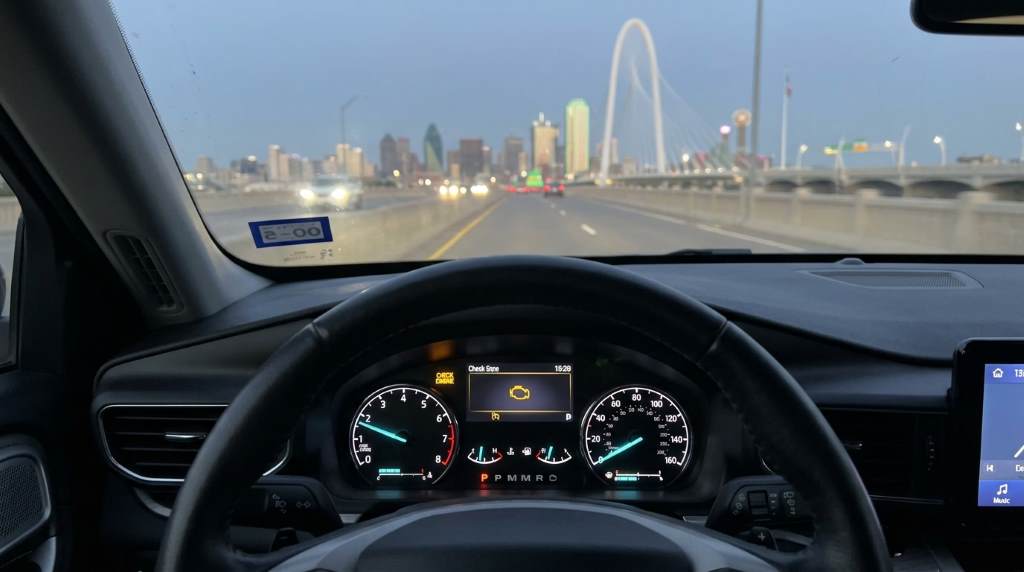
The engine warning light serves as a communication tool between your vehicle and its onboard computer. When sensors detect abnormal conditions, the computer stores a diagnostic trouble code. Consequently, the dashboard warning appears to alert the driver. Different problems can trigger the same light. Therefore, drivers should never assume a single cause.
Most modern vehicles use the Check Engine Light as part of the On Board Diagnostics system. This system continuously monitors fuel delivery, emissions, ignition timing, and airflow. As a result, even minor irregularities can activate the warning. Some issues affect performance immediately. Others develop gradually over time.
Dallas drivers often experience warning lights during extreme summer temperatures. High heat places extra stress on sensors, batteries, and engine components. Additionally, stop and go traffic increases engine operating temperatures. These conditions can reveal weaknesses that remain hidden during cooler months. Therefore, seasonal changes often influence warning light activity.

Identify Whether The Light Is Steady Or Flashing
The first diagnostic step involves observing the warning light behavior. A steady light usually indicates a non emergency issue requiring attention soon. However, a flashing light often signals a serious engine misfire. Such conditions can damage the catalytic converter quickly. Therefore, immediate action becomes necessary.
Drivers should reduce speed when a flashing light appears. Next, they should avoid heavy acceleration and high engine loads. If symptoms continue, stopping the vehicle safely remains the best option. Ignoring a flashing light can transform a simple repair into a costly replacement. Consequently, response speed matters significantly.
Many vehicle owners maintain cleaner workspaces because organized garages improve maintenance habits. Furthermore, a well prepared vehicle owner can use tools more efficiently after reviewing a how to use garage vacuum resource that supports routine vehicle care. Good maintenance practices often help drivers notice warning signs earlier. Therefore, prevention remains a valuable diagnostic tool.
Check For Immediate Performance Changes
Engine warning lights rarely appear without supporting clues. Drivers should pay attention to rough idling, hesitation, reduced power, or unusual noises. These symptoms provide valuable context for diagnosis. As a result, technicians can identify problems faster.
Fuel economy changes also offer important information. If gas mileage drops suddenly, the issue may involve fuel delivery or emissions controls. Likewise, unusual exhaust smells may indicate combustion problems. Recording these observations helps narrow diagnostic possibilities. Therefore, documenting symptoms saves time later.
Dallas commuters often drive long distances through varying traffic conditions. Because of that, performance changes become easier to notice during daily travel. Drivers familiar with their vehicle’s normal behavior can detect abnormalities quickly. Consequently, they often prevent minor issues from becoming major repairs.
Use An OBD-II Scanner For Accurate Diagnosis
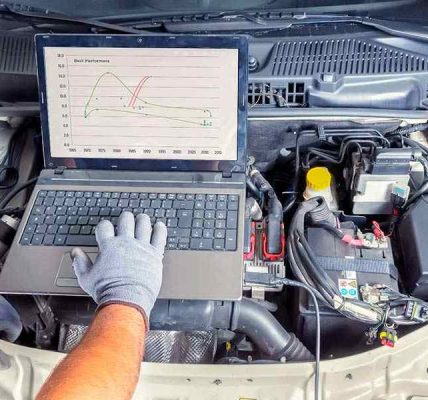
An OBD-II scanner provides the fastest way to identify warning light causes. This device reads stored diagnostic trouble codes from the vehicle computer. Although the code does not confirm the exact failure, it points toward the affected system. Therefore, diagnosis becomes more focused.
Many affordable scanners connect directly to smartphones. These tools display codes, sensor readings, and vehicle health reports. Additionally, they allow drivers to monitor recurring issues. Access to this information improves communication with repair professionals. As a result, repair decisions become more informed.
Drivers should avoid replacing parts based solely on a code description. For example, an oxygen sensor code may result from another underlying issue. Consequently, proper testing remains essential. Codes provide direction rather than definitive answers. Understanding this distinction prevents unnecessary spending.
Pay Attention To Weather Related Factors
Dallas experiences intense heat for much of the year. High temperatures affect engine performance, sensor accuracy, and electrical connections. Furthermore, prolonged heat accelerates wear on many components. Therefore, environmental conditions often contribute to warning light activation.
Extreme temperatures can expose weak batteries and aging wiring. When voltage fluctuates, sensors may transmit inaccurate readings. Consequently, the engine computer may interpret normal conditions as faults. Many warning lights disappear after electrical issues receive proper attention. Thus, electrical inspections deserve priority.
Although Dallas rarely faces severe winter weather, occasional cold fronts still affect vehicle systems. Engine components contract during temperature drops. Likewise, moisture accumulation can influence sensor performance. Similar issues occur in colder regions where why cars lose heat becomes a common concern during harsh weather conditions. Understanding climate effects improves diagnostic accuracy.
Inspect Common Causes Before Visiting A Shop
Loose Gas Cap
A loose or damaged gas cap remains one of the most common warning light triggers. Fuel vapor leaks affect emissions system performance. Consequently, the computer detects abnormal pressure levels. Tightening the cap may resolve the issue after several driving cycles. Therefore, drivers should check this component first.
Failing Oxygen Sensors
Oxygen sensors measure exhaust gas composition. Their data helps regulate fuel mixtures and emissions performance. When sensors deteriorate, fuel efficiency often declines noticeably. As a result, warning lights commonly appear. Early replacement helps maintain engine efficiency.
Ignition System Problems
Worn spark plugs and ignition coils frequently cause misfires. These components play essential roles in combustion quality. Consequently, failures often trigger warning lights quickly. Drivers may notice vibration, hesitation, or reduced acceleration. Therefore, ignition inspections remain important.
Mass Airflow Sensor Issues
The mass airflow sensor measures incoming air volume. Accurate readings help maintain proper fuel delivery. However, contamination can reduce measurement accuracy significantly. As a result, engine performance and fuel economy may suffer. Cleaning or replacing the sensor often resolves the issue.
The Uncommon Diagnostic Clue Most Drivers Miss
Many automotive blogs focus only on fault codes and replacement parts. However, few discuss fuel trim patterns as a diagnostic clue. Fuel trims reveal how much the computer adjusts fuel delivery. Therefore, they provide valuable insights before major failures occur.
Short term and long term fuel trims often expose hidden issues. Vacuum leaks, sensor drift, and airflow problems influence these values. Consequently, technicians can identify developing problems before components fail completely. This approach improves diagnostic accuracy substantially. Moreover, it reduces unnecessary parts replacement.
Drivers using advanced scan tools can monitor fuel trim data directly. Large positive adjustments often indicate lean conditions. Meanwhile, large negative adjustments suggest excessive fuel delivery. Understanding these trends helps distinguish symptoms from root causes. Therefore, fuel trims offer a powerful diagnostic advantage.
Evaluate Related Vehicle Systems
Engine warning lights sometimes originate outside the engine itself. Transmission systems, emissions controls, and electrical networks can influence engine operation. Consequently, diagnosis should include related components. A narrow focus may overlook the true problem.
Steering and suspension issues occasionally create sensor irregularities through wiring movement or component stress. Although uncommon, these interactions occur in aging vehicles. Drivers experiencing handling concerns may benefit from understanding suspension steering repairs guide concepts that support broader vehicle health awareness. Comprehensive inspections often reveal unexpected connections.
Electrical grounds deserve special attention during diagnosis. Poor grounding affects multiple systems simultaneously. As a result, warning lights may appear unrelated to the actual fault. Inspecting electrical connections often saves considerable diagnostic time. Therefore, technicians frequently begin with electrical verification.
Know When Professional Diagnostics Become Necessary
Some warning light causes require specialized testing equipment. Smoke machines, oscilloscopes, and manufacturer software provide deeper analysis. Consequently, professional technicians can verify issues more precisely. DIY tools cannot always reveal intermittent faults. Therefore, expert evaluation sometimes becomes necessary.
Repeated warning light returns indicate unresolved root causes. Clearing codes without repairs rarely solves underlying problems. Instead, recurring alerts often signal incomplete diagnosis. Professional testing helps uncover hidden failures. As a result, long term reliability improves.
Drivers should seek immediate assistance when warning lights accompany severe symptoms. Excessive vibration, overheating, or power loss requires urgent attention. Continuing to drive may increase repair costs significantly. Therefore, safety should remain the highest priority.
Prevent Future Engine Warning Lights
Preventive maintenance remains the most effective defense against warning lights. Regular oil changes support proper engine lubrication and cooling. Additionally, routine inspections identify wear before failures occur. Consequently, drivers reduce repair costs over time.
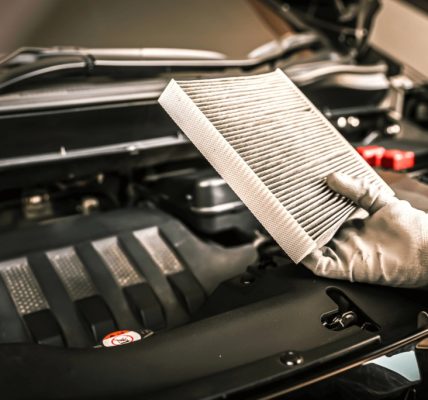
Replacing air filters and spark plugs at recommended intervals improves system efficiency. Clean components reduce strain on sensors and control systems. Furthermore, consistent maintenance improves fuel economy. Therefore, preventive care benefits both performance and reliability.
Keeping maintenance records provides another important advantage. Accurate records help identify recurring patterns and service history. As a result, future diagnosis becomes more efficient. Drivers who document repairs often solve problems faster. Consequently, organized maintenance supports smarter vehicle ownership.
Conclusion
Correctly diagnosing engine warning lights requires observation, testing, and informed decision making. Drivers should assess symptoms, scan diagnostic codes, and consider environmental factors. Moreover, they should avoid replacing parts based on assumptions alone. Understanding warning light behavior helps prevent unnecessary expenses and major repairs. If your vehicle displays a warning light, schedule a professional inspection promptly and address the issue before it worsens.
FAQs
Can I drive with a steady engine warning light?
Yes, but you should diagnose the issue as soon as possible to prevent further damage.
What does a flashing engine warning light mean?
A flashing light usually indicates a serious misfire that requires immediate attention.
Will disconnecting the battery remove the warning light?
It may clear the light temporarily, but the underlying problem will remain.
Can hot Dallas weather trigger engine warning lights?
Yes, extreme heat can affect sensors, batteries, and electrical systems.
Should I replace parts based only on a trouble code?
No, proper testing should confirm the root cause before replacing components.