Suspension and Steering Repairs: How to Fixing Steering Overcorrection Issues
Steering overcorrection is one of the most unsettling problems a driver can face. One small adjustment of the wheel leads to a sudden, sharp response that pulls the car too far in one direction. Therefore, understanding the root cause is the first step toward a safer ride. This guide walks you through everything you need to know about suspension and steering repairs related to overcorrection problems.
What Is Steering Overcorrection?
Steering overcorrection happens when your vehicle reacts more than it should to small steering inputs. You turn the wheel just a little, and the car jerks or swings too far to one side. This can feel frightening, especially at highway speeds.
Additionally, overcorrection often catches drivers off guard. They may then try to correct the swing by turning the opposite way. This creates a dangerous back-and-forth motion known as “fishtailing.” However, the root of the problem usually lies deep within the suspension and steering system.
Common Causes of Steering Overcorrection
Several mechanical issues can trigger this problem. Knowing each one helps you and your mechanic find the fix faster.
Worn Tie Rods
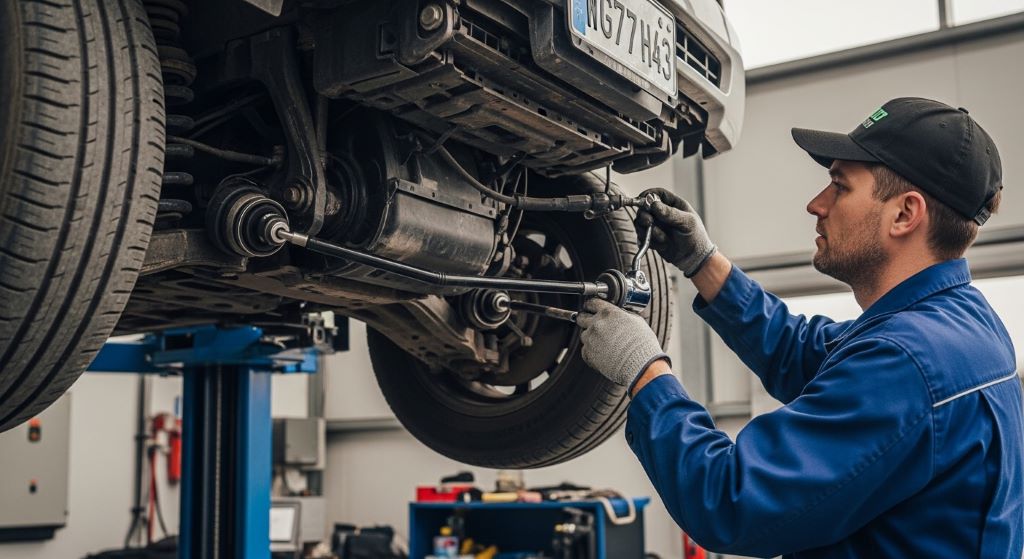
Tie rods connect the steering rack to the front wheels. When they wear out, they create looseness in the steering. That looseness causes the wheels to move too freely, resulting in overcorrection with every small input.
You can often feel worn tie rods as a “play” or “wobble” in the steering wheel. Additionally, you may hear clunking noises when turning. Replacing tie rods is a straightforward repair that most auto shops can complete in a few hours.
Damaged or Loose Steering Rack
The steering rack translates wheel movement into wheel direction. When the rack is loose, damaged, or leaking fluid, it can cause erratic and exaggerated steering responses.
Furthermore, a damaged steering rack may cause the vehicle to drift to one side. This makes it even harder to maintain a straight line. Replacing a steering rack is more involved, however it is essential for restoring safe handling.
Failing Shock Absorbers and Struts
Shocks and struts control how your suspension responds to bumps and movements. When they fail, the vehicle bounces and sways more than normal. Therefore, every small correction you make with the wheel gets amplified.
Worn shocks make the car feel “floaty.” They reduce your ability to control sudden movements. Replacing them restores stability and reduces the jerky overcorrection response.
Incorrect Wheel Alignment
Wheel alignment refers to the precise angles at which your tires meet the road. Poor alignment causes the vehicle to pull in one direction. When you try to correct that pull, you often overshoot the center line.
Additionally, misalignment puts extra stress on other steering components. This can speed up wear on tie rods and bushings. Regular alignment checks prevent this cascade of problems.
Worn Ball Joints
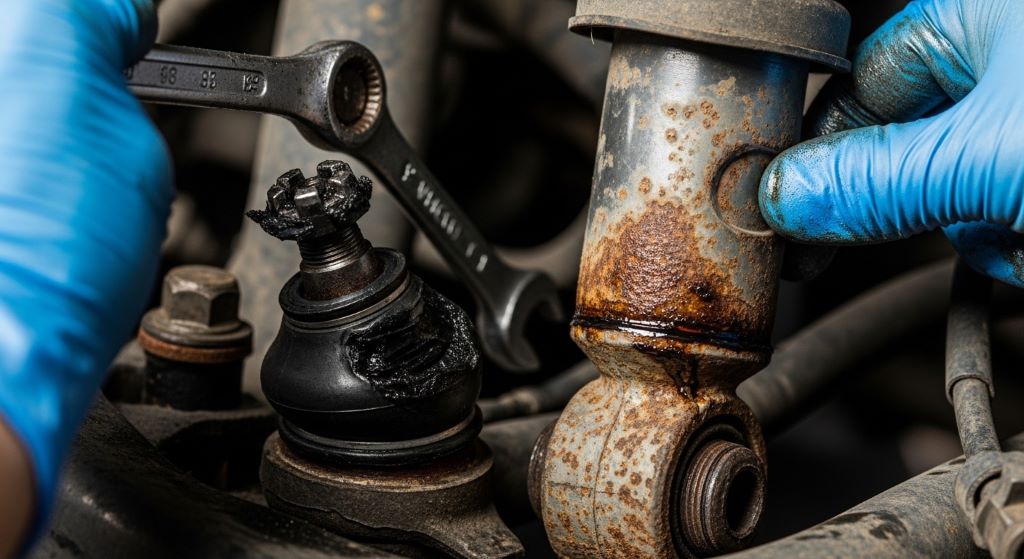
Ball joints connect the wheel hub to the suspension system. They allow smooth movement in all directions. When they wear out, steering becomes imprecise and sloppy.
Loose ball joints also create a safety risk beyond steering. In extreme cases, a failed ball joint can cause a wheel to separate from the vehicle entirely. Therefore, addressing worn ball joints quickly is critical.
Loose or Worn Steering Column Components
The steering column carries your input from the wheel down to the rack and pinion. Loose or worn parts inside the column create extra movement. This extra movement turns a gentle input into an exaggerated response at the wheels.
How to Diagnose the Problem
Before spending money on repairs, you need a clear diagnosis. Here is a simple process to follow.
Start by taking the car for a slow-speed test in a safe, empty area. Notice whether the overcorrection happens at all speeds or only at high speed. High-speed issues often point to alignment or shock problems. Low-speed issues may suggest steering rack or tie rod faults.
Next, park the car and gently rock the steering wheel back and forth without the engine on. If you feel more than an inch of free play, something is loose. This test can reveal worn tie rods or a loose steering column.
Additionally, ask a mechanic to put the vehicle on a lift and physically check each component. They can check ball joints, bushings, tie rods, and shocks by hand. A visual inspection under the car often reveals worn boots, leaking seals, or cracked parts.
Suspension and Steering Repairs: Step-by-Step Overview
Once you know the cause, you can plan the repair. Here is a general overview of common fixes.
Replacing Tie Rods
- Remove the wheel for access
- Disconnect the old tie rod end from the steering knuckle
- Unscrew and remove the damaged tie rod
- Install the new tie rod to the same length
- Reconnect to the knuckle and torque to spec
- Always follow up with a wheel alignment after this repair
Replacing Shock Absorbers
- Raise and support the vehicle safely
- Remove the wheel to access the shock
- Unbolt the lower and upper mounting points
- Slide out the old shock and insert the new one
- Torque all bolts to manufacturer specs
- Test the ride after installation
Fixing Wheel Alignment
Alignment is not a DIY task for most people. It requires a specialized machine to measure and adjust toe, camber, and caster angles. However, you can monitor alignment by checking for uneven tire wear and pulling tendencies.
Most shops recommend an alignment check every 12,000 miles or after any major suspension repair.
When to See a Professional
Some of these repairs are within reach for a confident home mechanic. However, others require professional tools and expertise. You should see a mechanic immediately if:
- Your car pulls sharply without any steering input
- You hear loud clunking or grinding when turning
- The steering wheel feels loose or disconnected
- Your vehicle drifts or fishtails at highway speeds
- A visual check reveals cracked, broken, or leaking components
Delaying these repairs puts you and others on the road at risk. Therefore, do not wait for the symptoms to get worse.
Preventive Maintenance Tips
The best way to avoid steering overcorrection is to maintain your vehicle properly. Here are a few habits that help.
- Check your tire pressure monthly. Low pressure affects handling and wear.
- Rotate your tires every 5,000 to 7,500 miles to ensure even wear.
- Get a wheel alignment check at least once a year.
- Inspect steering and suspension components during every oil change.
- Replace worn shocks and struts before they affect other parts.
Additionally, avoid driving through large potholes or over curbs at speed. These impacts can knock your alignment out and damage suspension parts in a single hit.
Conclusion
Steering overcorrection is a serious issue, but it is also a fixable one. The most common causes include worn tie rods, a damaged steering rack, failing shocks, poor wheel alignment, and worn ball joints. Therefore, a thorough inspection is always the right first step.
Regular maintenance goes a long way in preventing these problems. Alignment checks, timely shock replacement, and routine inspections keep your vehicle predictable and safe. If you notice any signs of overcorrection, do not ignore them. Address the issue promptly, and your car will reward you with smooth, confident handling on every road.
Frequently Asked Questions
What causes a car to overcorrect when steering?
The most common causes are worn tie rods, loose steering rack components, failed shock absorbers, bad wheel alignment, and worn ball joints. Each of these creates extra play or instability in the steering system.
Is steering overcorrection dangerous?
Yes. Overcorrection can lead to loss of control, especially at highway speeds. It increases the risk of swerving, fishtailing, or leaving your lane unexpectedly. It should be diagnosed and repaired as soon as possible.
How much does it cost to fix steering overcorrection?
The cost depends on the cause. Tie rod replacement typically costs between $150 and $400. Steering rack replacement can range from $500 to $1,500. Shock absorber replacement usually runs $200 to $600 per axle. Always get a detailed estimate before approving repairs.
Can bad wheel alignment cause overcorrection?
Yes. When your wheels are not aligned correctly, the car naturally pulls to one side. Drivers often overcompensate by steering harder, which leads to overcorrection. An alignment service usually resolves this issue quickly.
How often should I have my suspension and steering inspected?
Most mechanics recommend a full inspection at least once a year or every 12,000 miles. Additionally, have it checked after any major impact such as hitting a pothole, curb, or being in a minor accident.
Related Topics:
How to Wash Your Car with Water Using Safe Rinsing Techniques
Why Is My Car Leaking Water? Decoding the Mystery of the Puddle Under Your Ride