Driving represents freedom and independence for millions of people. However, individuals with limited leg mobility face unique challenges when operating a vehicle. Fortunately, hand controls offer an effective solution that allows drivers to accelerate and brake using only their hands. This guide will walk you through everything you need to know about setting up hand controls in your vehicle.
Understanding Hand Controls for Vehicles
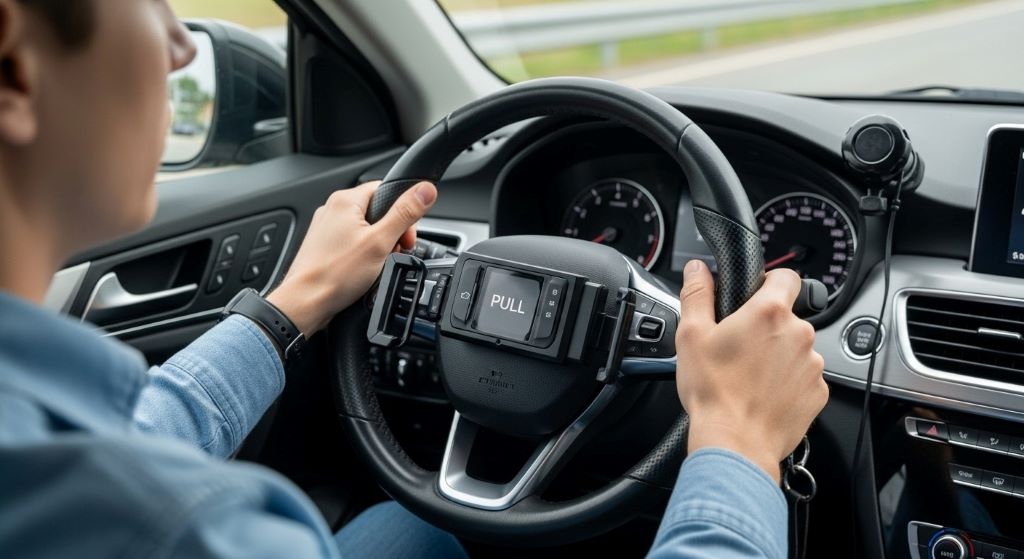
Hand controls are adaptive driving devices that enable people with lower limb disabilities to operate a vehicle safely. These systems replace the traditional foot pedals by allowing drivers to control acceleration and braking through hand-operated mechanisms mounted on the steering column or dashboard area.
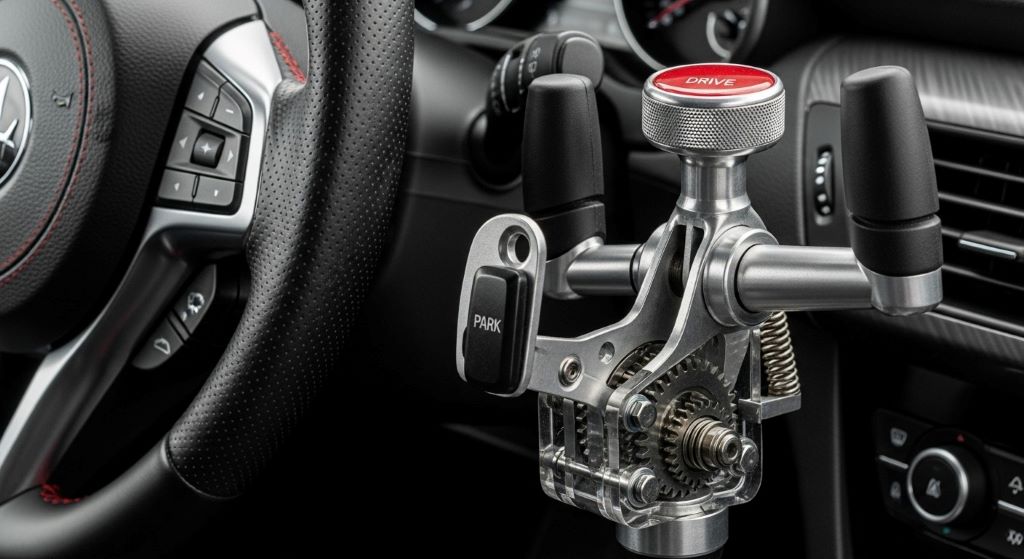
The devices work through mechanical or electronic linkages that connect to your vehicle’s existing brake and accelerator pedals. When you push or pull the hand control lever, it activates the corresponding pedal below. This setup maintains all factory safety features while providing an alternative control method.
Types of Hand Controls Available
Several varieties of hand controls exist to accommodate different needs and preferences. Push-pull systems represent the most common type. These controls require drivers to push forward to brake and pull toward themselves to accelerate. The motion feels intuitive after a brief adjustment period.
Push-twist controls offer another option. With this design, drivers push the lever forward to brake and twist the handle to accelerate. Some people find this configuration easier to master because the two actions feel distinctly different.
Additionally, electronic hand controls use sensors and motors rather than mechanical connections. These systems provide a smoother driving experience and require less physical strength to operate. However, they typically cost more than mechanical alternatives.
Determining Your Eligibility and Needs
Before purchasing hand controls, you should consult with a certified driver rehabilitation specialist. These professionals assess your physical abilities, reaction times, and coordination to recommend the most suitable equipment. They also evaluate whether you need additional modifications beyond basic hand controls.
Your occupational therapist or physician can provide referrals to qualified specialists. According to the National Highway Traffic Safety Administration, proper evaluation ensures both safety and comfort when using adaptive driving equipment.
Many insurance plans cover assessments and equipment costs when deemed medically necessary. Therefore, discussing coverage options with your insurance provider early in the process makes sense.
Choosing the Right Hand Control System
Selecting appropriate hand controls depends on several factors. Your physical strength and range of motion play crucial roles in determining which system works best. People with limited upper body strength may benefit from electronic controls that require minimal force.
Vehicle compatibility also matters significantly. Some hand control systems install more easily in certain makes and models. Consult with vendors who specialize in adaptive driving equipment to ensure compatibility with your specific vehicle.
Budget considerations influence your decision as well. Mechanical push-pull systems generally cost between 500 and 1,500 dollars. Electronic systems range from 2,000 to 5,000 dollars or more. Remember that proper installation by certified technicians is essential regardless of which system you choose.
The Installation Process
Professional installation ensures your hand controls function safely and reliably. Never attempt to install these devices yourself unless you possess the proper certification and training. Improper installation could result in equipment failure or accidents.
The installation process typically takes between two and four hours. Technicians begin by removing any necessary interior panels to access the brake and accelerator pedals. They then mount the hand control mechanism to the steering column or a custom bracket designed for your vehicle model.
Next, installers connect the hand controls to the foot pedals using mechanical linkages or electronic interfaces. They carefully adjust all components to ensure smooth operation and proper pedal travel. Finally, technicians test the entire system extensively before returning the vehicle to you.
Legal Requirements and Documentation
Most states require drivers using hand controls to have specific notations on their driver’s license. These restrictions indicate that you must operate vehicles equipped with hand controls. Contact your local Department of Motor Vehicles to understand the requirements in your area.
You will likely need to complete a behind-the-wheel evaluation with a certified instructor. This assessment demonstrates your ability to operate a vehicle safely using hand controls. Upon successful completion, the DMV adds the appropriate restriction code to your license.
Keep documentation of your hand control installation readily available. This paperwork proves your vehicle meets legal requirements for adaptive equipment. Additionally, having these documents helps if you need repairs or modifications in the future.
Learning to Use Your Hand Controls
Mastering hand controls requires practice and patience. Most people need several weeks to feel completely comfortable with the new control method. Start by practicing in empty parking lots where you can focus on the basic motions without traffic concerns.
Begin with simple exercises like starting, stopping, and maintaining steady speeds. Gradually progress to more complex maneuvers such as turns, lane changes, and parking. Working with a certified driving instructor during this learning phase greatly improves your confidence and skills.
However, everyone adapts at their own pace. Some drivers feel confident after just a few hours while others need more extensive practice. Never rush the learning process or drive in challenging conditions until you feel fully prepared.
Maintenance and Safety Checks
Regular maintenance keeps your hand controls functioning properly. Inspect the system monthly for loose connections, worn components, or unusual noises. Address any concerns immediately by contacting your installation provider.
Most hand control systems require professional servicing every six to twelve months. During these appointments, technicians lubricate moving parts, check adjustment settings, and verify that all connections remain secure. They also ensure the system still operates within manufacturer specifications.
Therefore, keeping detailed maintenance records helps track your system’s condition over time. These documents also prove valuable if warranty issues arise or when selling your vehicle.
Traveling with Hand Controls
Planning ahead makes traveling with hand controls much easier. If you need to rent a vehicle, contact rental companies well in advance to arrange for an adapted car. Organizations like the Accessible Travel Guide provide resources for finding rental companies that offer vehicles with hand controls.
Some hand control systems feature removable designs that allow transfer between vehicles. However, moving these devices requires professional reinstallation to ensure safety. Portable hand controls exist but generally provide less stability than permanently installed systems.
Insurance and Cost Considerations
Hand control installation costs vary based on system complexity and vehicle type. Basic mechanical systems including installation typically range from 1,000 to 2,500 dollars. Advanced electronic systems with multiple features can exceed 5,000 dollars.
Many insurance policies cover adaptive driving equipment when prescribed by a physician. Medicare and Medicaid also provide coverage in specific situations. Additionally, veterans may qualify for assistance through the Department of Veterans Affairs. Research all available funding sources to minimize out-of-pocket expenses.
Conclusion
Setting up hand controls transforms vehicle operation for people with limited lower limb mobility. The process involves selecting appropriate equipment, obtaining professional installation, completing required testing, and dedicating time to practice. While the initial investment and learning curve require commitment, hand controls ultimately restore driving independence and freedom.
Working with certified specialists throughout each step ensures optimal safety and functionality. Regular maintenance keeps your system operating reliably for years to come. With proper setup and training, hand controls provide a dependable solution that helps you maintain an active, independent lifestyle.
Frequently Asked Questions
Can I install hand controls in any vehicle?
Most vehicles accommodate hand controls, but some models work better than others. Consult with adaptive equipment specialists to verify compatibility with your specific make and model before purchasing controls.
How long does it take to learn to use hand controls?
Most drivers need two to four weeks of regular practice to feel comfortable. However, individual learning times vary based on physical abilities and previous driving experience.
Do hand controls affect my vehicle’s resale value?
Properly installed hand controls typically do not harm resale value. Many systems can be removed if needed. Some buyers specifically seek vehicles already equipped with adaptive devices.
Can passengers still use the foot pedals with hand controls installed?
Yes, most hand control systems allow foot pedal operation to continue normally. This feature enables other licensed drivers to operate your vehicle when appropriate.
Are electronic or mechanical hand controls better?
Neither type is universally better. Mechanical controls cost less and require minimal maintenance. Electronic controls provide smoother operation and need less physical strength. Your specific needs determine which option works best.
Related Topics: