Why Tire Rotation Intervals Matter: Keep Your Wheels Spinning Smoothly
Every car owner wants a smooth ride and long-lasting tires. Car tire rotation intervals play a big role in achieving both. By rotating your tires regularly, you ensure even wear, better handling, and a safer drive. I learned this the hard way when uneven tire wear cost me a pricey replacement years ago. Proper rotation can save money and improve your car’s performance. In this post, we’ll explore why tire rotation intervals matter, how often you should rotate, and tips to make it easy. Let’s dive into the story of keeping your wheels in top shape.
What Are Car Tire Rotation Intervals?
Car tire rotation intervals refer to the recommended time or mileage between tire rotations. Rotating tires means moving them to different positions on your vehicle to promote even tread wear. Each tire wears differently based on its position, driving habits, and vehicle type. For example, front tires on front-wheel-drive cars wear faster due to steering and weight distribution.
According to a 2023 Michelin study, regular tire rotation can extend tire life by up to 20%. This saves you from frequent replacements, which can cost $100–$200 per tire. By sticking to proper intervals, you maintain better traction and fuel efficiency. My first car’s tires wore out unevenly because I skipped rotations, leading to a bumpy ride. Don’t make my mistake—understanding intervals is key to tire health.
Why Tire Rotation Matters for Your Car
Tire rotation ensures all four tires wear evenly, improving safety and performance. Uneven wear can cause poor handling, reduced traction, and even blowouts. Regular rotation keeps your car stable, especially during sharp turns or wet conditions. Additionally, it maximizes tire lifespan, saving you money over time.
A 2022 study by the National Highway Traffic Safety Administration (NHTSA) found that properly maintained tires reduce accident risks by 15%. Unevenly worn tires can also lower fuel efficiency, costing you at the pump. I once noticed my car pulling to one side, only to find the front tires were nearly bald. Rotating tires at the right intervals prevents these issues and keeps your ride smooth.
Common Tire Rotation Patterns
- Front-to-back: Common for front-wheel-drive cars, swapping front and rear tires.
- Cross pattern: Used for all-wheel-drive vehicles, moving front tires to opposite rear sides.
- Side-to-side: Best for performance cars with same-size tires, swapping left and right.
How Often Should You Rotate Your Tires?
Most experts recommend rotating tires every 5,000 to 8,000 miles or every six months. However, this depends on your vehicle type, driving habits, and tire brand. Check your owner’s manual for specific guidance. For instance, aggressive driving or heavy loads may require more frequent rotations.
If you drive a lot, like I did during a cross-country move, sticking to a mileage-based schedule works best. I rotated my tires every 6,000 miles, and they lasted two years longer than expected. Conversely, if you drive less, a time-based interval, like every six months, prevents uneven wear. Always inspect your tires for unusual wear patterns to adjust your schedule.
Factors That Affect Tire Rotation Intervals
Several factors influence how often you need car tire rotation intervals. Driving conditions, vehicle type, and tire quality all play a role. For example, frequent city driving with stops and turns wears tires faster than highway cruising. Similarly, all-wheel-drive cars need more frequent rotations due to power distribution.
Tire type also matters. Performance tires wear quicker than all-season ones. According to Goodyear’s 2024 tire guide, all-season tires last 10–20% longer with regular rotation. My old SUV’s tires wore unevenly because I drove on rough rural roads. Checking your driving style and conditions helps tailor your rotation schedule for maximum tire life.
Signs Your Tires Need Rotation
- Uneven tread wear (check with a penny test).
- Vehicle pulling to one side while driving.
- Vibrations or noisy tires at high speeds.
Benefits of Sticking to Tire Rotation Intervals
Following proper car tire rotation intervals offers multiple benefits. First, it extends tire life, saving you from costly replacements. Second, it improves fuel efficiency by reducing rolling resistance. Third, it enhances safety by ensuring even traction across all tires.
For example, I saved $300 by rotating my tires regularly, avoiding early replacements. A 2023 AAA report states that proper tire maintenance, including rotation, can improve gas mileage by up to 3%. Consistent rotations also prevent alignment issues, which can cost $50–$100 to fix. By staying on schedule, you keep your car reliable and your wallet happy.
How to Rotate Tires: DIY or Professional?

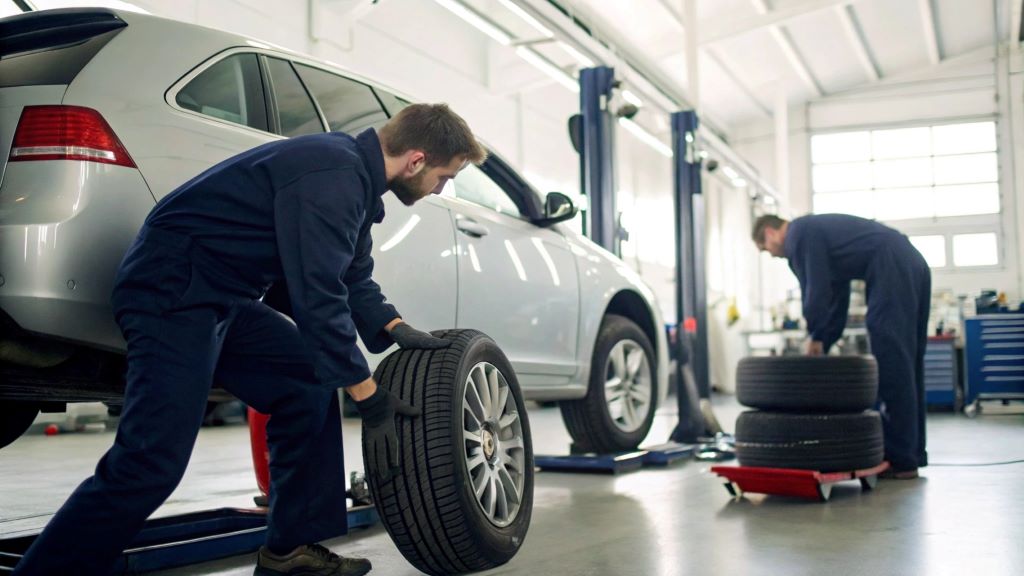
You can rotate tires yourself with basic tools or hire a professional for convenience. DIY rotation requires a jack, lug wrench, and about 30 minutes. Always follow your vehicle’s recommended pattern and torque specifications. However, professional services ensure precision and often include inspections.
I tried DIY rotation once but forgot to check torque, causing a loose wheel. Now, I rely on my local shop for $20–$40 per session. Professionals use lift equipment for safety and check for issues like punctures. Whether DIY or pro, stick to your car tire rotation intervals for best results.
Tips to Maintain Your Tires Between Rotations
Between car tire rotation intervals, proper care extends tire life. Check tire pressure monthly, as underinflation causes uneven wear. Keep alignment in check to avoid pulling or vibrations. Additionally, inspect treads regularly for debris or damage.
I once ignored a small nail in my tire, leading to a slow leak and uneven wear. Simple habits like parking in shade to avoid UV damage or avoiding potholes can help. Use a tread depth gauge (available for $5–$10) to monitor wear. These steps ensure your tires stay in top shape until the next rotation.
Quick Tire Maintenance Checklist
- Check pressure monthly (use recommended PSI from your manual).
- Inspect treads for wear or foreign objects.
- Schedule alignment checks yearly.
Common Mistakes to Avoid with Tire Rotation
Skipping car tire rotation intervals is the biggest mistake. Many drivers, like me years ago, assume tires wear evenly without rotation. This leads to premature replacements and safety risks. Another error is ignoring your vehicle’s specific rotation pattern, which can worsen wear.
Using mismatched tires or incorrect torque settings is also problematic. A friend once rotated his tires but mixed sizes, causing handling issues. Always follow your manual’s guidelines and double-check torque with a wrench. Avoiding these mistakes ensures your tires last longer and your car stays safe.
Conclusion
Car tire rotation intervals are a simple yet powerful way to keep your vehicle safe and cost-efficient. By rotating tires every 5,000–8,000 miles, you ensure even wear, better handling, and longer tire life. My early mistake of skipping rotations taught me their value, saving me hundreds since. Regular rotations, paired with proper maintenance, boost safety and fuel efficiency. Don’t let uneven wear catch you off guard—stick to a schedule and drive worry-free. Share your tire rotation tips in the comments or spread this guide with fellow drivers!
FAQs
Why do car tire rotation intervals matter?
They ensure even tire wear, improving safety, handling, and tire lifespan.
How often should I rotate my tires?
Every 5,000–8,000 miles or six months, depending on your vehicle and driving habits.
Can I rotate tires myself?
Yes, with a jack and lug wrench, but professionals ensure precision and safety.
What happens if I skip tire rotation?
Uneven wear reduces tire life, affects handling, and increases safety risks.
Do driving conditions affect tire rotation intervals?
Yes, rough roads or aggressive driving may require more frequent rotations.
Read More:
How Do I Know If My Car is Misfiring? A Guide to Spotting Engine Trouble
Understanding The Diagnostic Process In Pickup Truck Electrical Repairs