Every car owner dreams of a smooth, safe ride, but few realize the secret lies in a simple task: tire rotation. Why rotate car tires? It’s not just about keeping your vehicle balanced; it’s about saving money, boosting safety, and extending tire life. Imagine driving down a winding road, feeling your car grip the pavement confidently. That’s the magic of well-maintained tires. My first car, a trusty sedan, taught me this lesson the hard way when uneven wear led to a costly replacement. According to the National Highway Traffic Safety Administration (NHTSA), proper tire maintenance can prevent accidents and save lives. Let’s dive into why rotating car tires is a game-changer for every driver.
What Does Tire Rotation Mean?
Tire rotation involves moving your car’s tires from one position to another, typically front to back or side to side, to ensure even wear. Cars distribute weight unevenly, causing tires to wear differently. For instance, front tires on a front-wheel-drive car handle more stress from steering and braking. Regularly rotating them balances this wear, extending their lifespan.
Why is this important? Uneven tire wear can lead to poor handling, reduced fuel efficiency, and even blowouts. According to a 2023 study by Michelin, rotating tires every 6,000–8,000 miles can extend tire life by up to 20%. My sedan’s wobbly ride was a wake-up call when I skipped rotations, leading to premature tire replacement. By understanding tire rotation, you take control of your car’s performance and safety.
Why Rotate Car Tires: The Benefits
Enhanced Tire Longevity
Rotating car tires ensures all four wear evenly, maximizing their lifespan. Tires on the front axle often wear faster due to steering and weight distribution. By rotating them, you spread the wear, delaying the need for costly replacements. A 2022 report by AAA found that regular tire rotations can save drivers up to $150 annually by extending tire life.
Additionally, longer-lasting tires mean fewer trips to the shop. When I started rotating my tires every six months, I noticed my car felt smoother, and my wallet thanked me. Consistent rotations keep tread depth balanced, ensuring your tires perform at their best for years.
Improved Safety on the Road
Safety is a top reason to rotate car tires. Unevenly worn tires can compromise traction, especially in wet or slippery conditions. Properly rotated tires maintain consistent grip, reducing the risk of skids or accidents. The NHTSA reports that tire-related crashes cause over 11,000 injuries annually, many preventable with proper maintenance.
Moreover, balanced tires improve handling and braking. After neglecting rotations, my sedan struggled on wet roads, making me realize the danger. Regular rotations keep your car stable, giving you peace of mind whether you’re navigating city streets or highways.
Better Fuel Efficiency
Rotating tires can also boost your car’s fuel efficiency. Uneven wear increases rolling resistance, forcing your engine to work harder and burn more fuel. By keeping tires balanced, you reduce this resistance, saving gas over time. A 2024 study by Bridgestone noted that proper tire maintenance, including rotations, can improve fuel economy by up to 3%.
For example, after I began rotating my tires regularly, my gas mileage improved noticeably on long trips. Small actions like this add up, helping you save money and reduce your environmental footprint. Why rotate car tires? It’s a win for your wallet and the planet.
How Often Should You Rotate Tires?
Most experts recommend rotating tires every 6,000 to 8,000 miles or every six months, whichever comes first. However, this varies based on your vehicle type, driving habits, and tire brand. Check your car’s manual for specific guidance. For instance, all-wheel-drive vehicles may require more frequent rotations due to complex weight distribution.
Additionally, pay attention to signs like uneven tread wear or vibrations while driving. I learned this when my car’s steering wheel started shaking, signaling overdue rotations. By sticking to a schedule, you avoid surprises and keep your tires in top shape. Always consult a professional if you’re unsure about your vehicle’s needs.
Types of Tire Rotation Patterns
Tire rotation patterns depend on your car’s drivetrain and tire type. Here are common patterns:
- Front-to-Back: Ideal for front-wheel-drive cars, moving front tires to the rear and vice versa.
- X-Pattern: Switches tires diagonally, often used for rear-wheel-drive vehicles.
- Side-to-Side: Swaps tires on the same axle, suitable for performance cars with different-sized tires.
Each pattern ensures even wear based on your car’s mechanics. For example, my front-wheel-drive sedan benefits from a front-to-back rotation. Consult your mechanic to choose the right pattern. According to Tire Rack, using the correct rotation pattern can improve tire performance by up to 15%.
Common Mistakes to Avoid
Many drivers overlook tire rotation, thinking it’s optional. However, skipping it can lead to uneven wear and costly repairs. Another mistake is ignoring tire pressure checks during rotations. Low pressure can accelerate wear, undoing rotation benefits. I once forgot to check my tire pressure, resulting in a bumpy ride.
Additionally, avoid rotating damaged tires. If a tire has punctures or deep tread wear, replace it first. A 2023 Consumer Reports study emphasized that combining rotations with regular inspections prevents 80% of tire-related issues. Stay proactive to keep your tires and car in top condition.
My Personal Tire Rotation Story
Years ago, I ignored tire rotations, thinking they were unnecessary. My sedan started vibrating at high speeds, and a mechanic pointed out my front tires were nearly bald while the rears were fine. The uneven wear cost me two new tires—$300 I could’ve saved. Since then, I’ve rotated my tires every 6,000 miles, and the difference is night and day. My car handles better, feels safer, and even saves a bit on gas. This experience taught me that small maintenance tasks like tire rotation make a big impact. Why rotate car tires? For me, it’s about avoiding headaches and keeping my car reliable.
How to Rotate Tires: DIY or Professional?
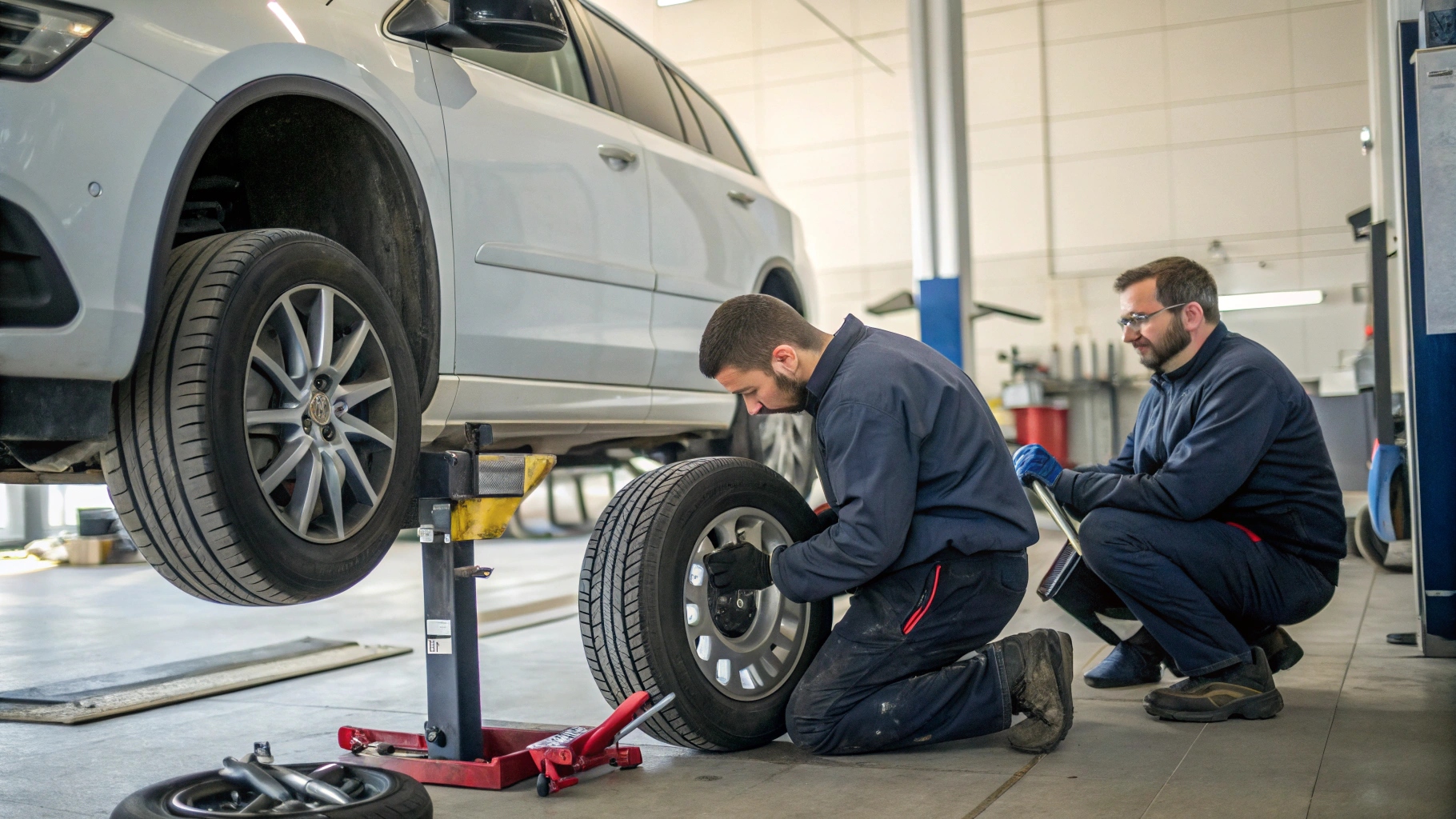
You can rotate tires at home with basic tools like a jack, lug wrench, and torque wrench. Start by loosening lug nuts, lifting the car, and swapping tires according to your vehicle’s pattern. Ensure the car is secure and torque nuts properly to avoid accidents. However, DIY rotations require time and skill.
Alternatively, professional shops offer quick, reliable service, often including inspections. I prefer professionals for peace of mind, especially after a bad DIY attempt left me stranded. According to AAA, professional rotations cost $20–$50, a small price for safety. Choose what suits your comfort and budget.
Conclusion
Why rotate car tires? It’s a simple step that boosts safety, saves money, and extends tire life. From smoother rides to better fuel efficiency, the benefits are undeniable. My journey from neglecting rotations to embracing them showed me their value firsthand. By rotating tires every 6,000–8,000 miles, you ensure your car performs at its best. Don’t wait for a wobbly ride or costly repair to take action. Check your tires today, schedule a rotation, and share your thoughts in the comments below. Have a tire rotation tip? Let us know or share this article with fellow drivers!
Read More Also: Why Tyre Rotation in Cars Saves You Money and Boosts Safety
FAQs
Why is tire rotation important?
Rotating tires ensures even wear, improving safety, fuel efficiency, and tire lifespan significantly.
How often should I rotate my car tires?
Rotate tires every 6,000–8,000 miles or six months, based on your car’s needs.
Can I rotate my tires myself?
Yes, with proper tools and knowledge, but professional services ensure safety and accuracy.
What happens if I don’t rotate my tires?
Skipping rotations causes uneven wear, reducing traction, fuel efficiency, and tire lifespan.
Does tire rotation affect alignment?
No, rotation doesn’t affect alignment, but both should be checked regularly for optimal performance.
Discover More: How to Safely Jack Up Your Car for Tire Rotation