Washing your car at home seems simple. However, using the wrong rinsing method can leave scratches, water spots, and soap residue. Many car owners make mistakes without even knowing it. Therefore, learning the right way to rinse your car is important. This guide will walk you through every step of washing your car with water safely and effectively.
You do not need expensive equipment to get great results. Additionally, the techniques in this article are easy to follow. Whether you own a brand-new car or an older model, these rinsing methods will help you protect your vehicle’s finish.
Why the Right Rinsing Method Matters
Most people focus on the soap and scrubbing part of washing a car. However, the rinse is just as important. A poor rinse leaves behind soap, dirt, and minerals from hard water. Over time, these residues can damage your car’s paint and clear coat.
Furthermore, using too much water pressure can force dirt particles across the paint. This creates tiny scratches called swirl marks. Therefore, rinsing correctly protects your car both from dirt and from the washing process itself.
Gathering the Right Equipment Before You Start
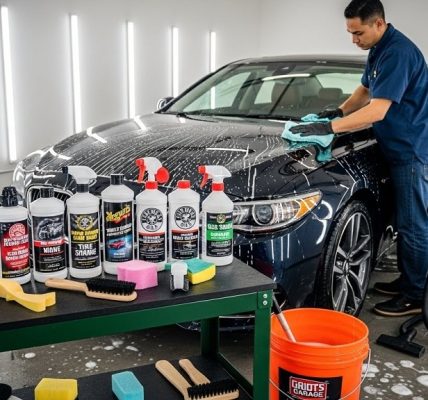
Before you begin, you need the right tools. Using proper equipment makes the job faster and safer. Here is what you should prepare:
- A garden hose with an adjustable nozzle
- Two clean buckets (one for soapy water, one for rinsing)
- A microfiber wash mitt or soft sponge
- Car-safe shampoo or soap
- Clean microfiber drying towels
- A foam cannon or spray bottle (optional)
Additionally, park your car in a shaded area. Direct sunlight causes water to evaporate too quickly. This leaves behind mineral deposits that are hard to remove.
Step One: The Pre-Rinse to Remove Loose Dirt
The first rinse is called the pre-rinse. Its purpose is to remove loose dirt, dust, and debris before you start scrubbing. This step is very important because it prevents scratching.
Start from the top of the car and work your way down. Use a gentle stream of water. Do not use a jet setting at this stage. A softer spray is enough to loosen light dirt without pushing it into the paint.
Moreover, pay extra attention to the wheel wells and the lower panels. These areas collect the most mud and grime. Therefore, they need a bit more rinsing time before you move on to washing.
The Two-Bucket Method for Pre-Rinsing
Professional detailers often use the two-bucket method. The first bucket holds soapy water. The second bucket holds clean water for rinsing your mitt. After scrubbing a section of the car, rinse your mitt in the clean bucket before dipping it back into the soap. This keeps dirt out of your soapy water and reduces the risk of scratching the paint.
How to Apply Water During the Wash Stage
During the wash stage, you need to keep the car wet. Dry soap on paint can cause swirl marks. Therefore, work on one section at a time. Rinse each section before moving to the next.
Use slow, gentle strokes with your wash mitt. Move in straight lines rather than circles. Circular motions can create visible swirl marks in direct sunlight. Additionally, do not press too hard. Let the soap do the work.
Furthermore, always wash the dirtiest areas last. The lower panels and bumpers are the dirtiest parts of a car. If you wash them first, you may carry that dirt to cleaner areas higher up.
Safe Final Rinsing Techniques That Protect Your Paint
The final rinse removes all the soap from the car. This is one of the most important stages. Any soap left on the paint can dry and leave a dull, filmy residue.
Start from the roof and work down. Use a steady, medium-pressure stream of water. Move the hose slowly across each panel. Make sure you rinse the door jambs and the edges around windows. Soap often hides in these areas.
One great technique is called the sheeting method. Remove the nozzle from the hose and let water flow freely over the surface. The water sheets off evenly. This reduces the number of water droplets left on the paint. As a result, drying becomes much easier.

Avoiding High Water Pressure on Sensitive Areas
High water pressure feels efficient, but it can cause real damage. Avoid using a jet spray near rubber seals, door edges, and antennas. High pressure can push water into places it should not go, including inside your car through worn seals.
However, for the wheels and tires, a stronger stream is helpful. These areas collect brake dust and road grime that clings tightly. A more focused spray removes these deposits effectively. Just be careful to keep the pressure away from painted surfaces near the wheels.
Rinsing the Wheels and Tires Properly
Wheels and tires need special attention. They are exposed to brake dust, road salt, and oil. These substances are harder to remove than regular dirt. Therefore, you should wash and rinse wheels separately from the rest of the car.
Use a dedicated wheel brush and wheel cleaner. Rinse the wheels first before you wash the body of the car. This prevents dirty wheel water from splashing onto clean panels.
Additionally, rinse the insides of the wheel spokes. Dirt and brake dust collect deeply inside. Use a firm stream of water directed at different angles. This ensures a thorough clean that looks great from every direction.
Drying Your Car After Rinsing to Prevent Water Spots
Drying your car quickly after rinsing prevents water spots. Hard water contains minerals like calcium and magnesium. When water evaporates, these minerals stay behind as white spots. They are especially visible on dark-colored cars.
Use a clean, dry microfiber towel to blot the surface. Do not drag the towel across the paint. Blotting lifts the water instead of pushing it around. Moreover, a large waffle-weave drying towel works very well because it absorbs a large amount of water quickly.
Alternatively, a leaf blower or car air dryer can be used to blow water out of crevices. Water often hides in door handles, side mirrors, and grille openings. If left there, it drips out later and creates streaks. Using air to dry these spots saves time and gives a cleaner result.
Common Rinsing Mistakes to Avoid
Even careful car owners make rinsing mistakes. Knowing what to avoid helps you wash smarter. Here are some of the most common errors:
- Washing in direct sunlight — This causes soap and water to dry too fast, leaving spots and residue.
- Using dish soap — Dish soap strips wax and can dry out rubber seals. Always use car-specific shampoo.
- Not rinsing the mitt — A dirty mitt scratches paint. Rinse it frequently in the clean bucket.
- Skipping the pre-rinse — Washing a dry, dusty car without rinsing first is a fast way to create scratches.
- Letting water air-dry — This leads to water spots. Always dry manually after rinsing.
Avoiding these mistakes will improve your results significantly. Therefore, take the extra few minutes to do each step correctly.
Tips for Conserving Water While Washing Your Car
Washing a car uses a lot of water. However, there are easy ways to reduce water usage without compromising the quality of your wash.
Use a hose nozzle with a shut-off valve. This lets you stop the water flow between steps. Additionally, a foam cannon uses much less water than a hose alone. The thick foam clings to the car and loosens dirt effectively with minimal rinsing needed.
Waterless car wash sprays are another great option for light cleaning. They require no rinsing at all. However, they should only be used on lightly dusty cars. A heavily soiled car still needs a proper water rinse to avoid scratching.
Conclusion
Washing your car with water the right way protects your paint and keeps your car looking great. The process starts with a gentle pre-rinse to remove loose dirt. Then you wash using the two-bucket method and keep the surface wet throughout. The final rinse uses the sheeting technique to minimize water spots. After rinsing, drying quickly with a microfiber towel prevents mineral deposits.
Additionally, rinsing your wheels separately and avoiding high pressure on sensitive areas will protect your car’s finish for years. Therefore, with the right tools and a simple routine, you can get professional results at home. Safe rinsing is not complicated. It just requires a little knowledge and care.
Frequently Asked Questions
1. How often should I rinse and wash my car?
It is recommended to wash your car every two weeks. However, if you live near the ocean or in a dusty area, washing it more often protects the paint from salt and debris. After heavy rain or off-road driving, an immediate rinse is a good idea.
2. Can I use tap water to rinse my car?
Yes, you can use tap water. However, if your tap water is hard (high in minerals), it may leave water spots. Using a water softener attachment or drying the car immediately after rinsing helps prevent this problem.
3. Is a pressure washer safe for rinsing a car?
A pressure washer can be safe if used correctly. Keep the pressure below 1,900 PSI and use a wide fan tip (25 to 40 degrees). Maintain a distance of at least 12 inches from the surface. Avoid directing high pressure at seals, decals, or painted edges.
4. What is the sheeting method, and why is it better?
The sheeting method involves removing the nozzle from the hose and letting water flow freely over the car’s surface. Water sheets off evenly rather than beading up into droplets. This results in less standing water on the paint, which means fewer water spots and a faster drying time.
5. Should I rinse my car engine?
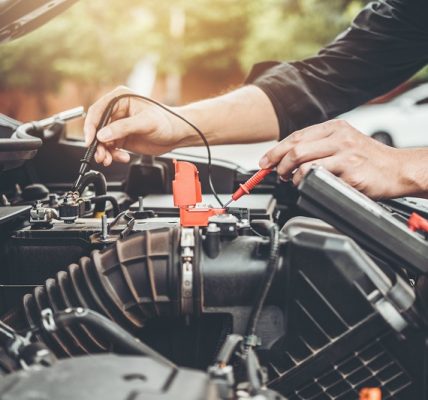
Rinsing the engine is possible but requires caution. Cover sensitive electrical components with plastic bags first. Use a gentle, low-pressure stream and avoid soaking the battery, fuse box, or air filter. Many experts recommend leaving engine cleaning to a professional.
Related Topics:
Everything You Need to Know About the Hyper Tough Adjustable Oil Filter Socket: A Complete DIY Guide
Dodge Journey Interior: A Comprehensive Guide to Comfort and Versatility