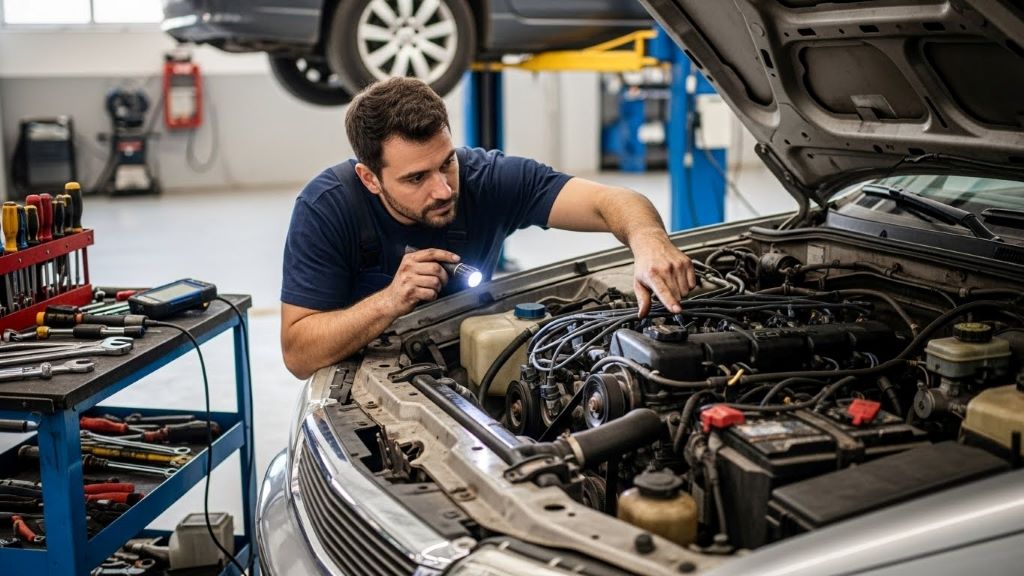
Owning a high mileage car comes with unique challenges. While these vehicles can provide reliable transportation, they often require more frequent repairs. Unfortunately, major repair bills can strain your budget. The good news is that several financing options exist to help you manage these costs. This article explores practical ways to pay for repairs when your trusty vehicle needs attention.
Understanding High Mileage Vehicle Challenges
Cars with over 100,000 miles typically need more maintenance. Components like transmissions, engines, and suspension systems begin showing wear. Additionally, unexpected breakdowns become more common as vehicles age. These repairs can cost hundreds or even thousands of dollars.
Many car owners face a difficult decision. Should they invest in repairs or purchase a different vehicle? However, financing options can make maintaining your current car more manageable. Understanding available choices helps you make informed decisions about your vehicle’s future.
Traditional Auto Repair Loans
Personal loans offer one straightforward solution for repair costs. Banks and credit unions provide these unsecured loans for various purposes. Therefore, you can use the funds specifically for automotive repairs without restrictions.
These loans typically feature fixed interest rates and set repayment terms. Your credit score significantly impacts the rates you receive. Borrowers with good credit often secure favorable terms. Conversely, those with lower scores may face higher interest rates.
The application process is relatively simple. Most lenders allow online applications with quick approval decisions. Furthermore, funds usually become available within a few business days. This speed makes personal loans practical for urgent repair needs.
Credit Card Financing
Credit cards provide immediate access to repair funds. Many people already carry cards that can cover unexpected expenses. Additionally, some cards offer promotional interest rates for new purchases.
Using a credit card has several advantages. You gain instant purchasing power without lengthy applications. Moreover, many cards include rewards programs that earn points or cash back. Some even provide extended warranties on purchases.
Nevertheless, credit cards carry risks. High interest rates can make repairs expensive if you carry balances. Therefore, this option works best when you can repay quickly. Consider cards with zero percent introductory rates for larger repairs.
Mechanic Payment Plans
Many auto repair shops now offer in-house financing. These payment plans let you spread costs over several months. Consequently, you avoid large upfront payments while getting necessary repairs immediately.
Shop payment plans vary widely in terms and conditions. Some charge interest while others remain interest-free for specific periods. Additionally, certain shops partner with third-party financing companies to provide these services.
Before accepting shop financing, read all terms carefully. Understand the interest rates, payment schedule, and any penalties for late payments. Furthermore, compare these terms with other financing options to ensure you get the best deal.
Buy Now, Pay Later Services
Digital payment platforms have revolutionized repair financing. Services like Affirm, Klarna, and PayPal Credit offer point-of-sale financing. These options let you split purchases into manageable installments.
The application process takes minutes and happens at checkout. Approval decisions arrive instantly in most cases. Moreover, many services offer interest-free periods for qualified borrowers.
These platforms work well for moderate repair costs. However, terms and availability depend on the repair shop’s partnerships. Always verify which services your mechanic accepts before scheduling work.
Home Equity Options
Homeowners can tap into their property’s equity for repair funds. Home equity loans and lines of credit typically offer lower interest rates. Additionally, the interest may be tax-deductible according to the IRS guidelines.
These options provide substantial borrowing power based on home value. Furthermore, repayment terms extend over many years, reducing monthly payments. However, your home serves as collateral, creating financial risk.
Consider home equity carefully for vehicle repairs. The loan process takes longer than other options. Therefore, this solution works better for planned maintenance rather than emergency repairs.

Automotive Service Credit Cards
Specialized automotive credit cards cater specifically to car owners. Cards like Synchrony Car Care offer financing for repairs and maintenance. These cards often include promotional financing periods with deferred interest.
Many national repair chains accept these specific cards. Additionally, some cards provide benefits like roadside assistance or repair discounts. The application process mirrors standard credit card applications.
Watch out for deferred interest promotions carefully. If you don’t pay the full balance before the promotional period ends, accumulated interest applies retroactively. Therefore, create a solid repayment plan before using these cards.
Peer-to-Peer Lending
Online lending platforms connect borrowers directly with individual investors. Companies like LendingClub and Prosper facilitate these personal loans. Consequently, you might find competitive rates compared to traditional lenders.
The application process happens entirely online. Platforms evaluate your creditworthiness and assign interest rates accordingly. Furthermore, loan approval often occurs within days, with funding following shortly after.
Peer-to-peer loans work well for various credit profiles. Even borrowers with fair credit may qualify for reasonable terms. However, compare multiple platforms to find the best rates for your situation.
Family and Friend Loans
Borrowing from personal contacts offers flexibility and potentially no interest. Family members or friends might provide funds when traditional lenders decline. Additionally, repayment terms can be informal and adjusted to your circumstances.
Despite the advantages, personal loans carry emotional risks. Money matters can strain relationships if problems arise. Therefore, treat these arrangements professionally with written agreements.
Document all loan terms clearly, including repayment schedules and any interest charged. This transparency protects both parties and prevents misunderstandings. Furthermore, prioritize repayment to maintain trust and relationships.
401(k) Loans
Retirement account loans provide another potential funding source. Many employer-sponsored 401(k) plans allow borrowing against your balance. The Consumer Financial Protection Bureau explains that these loans offer relatively low interest rates since you essentially borrow from yourself.
You typically can borrow up to 50 percent of your vested balance. Repayment happens through payroll deductions over five years. Moreover, interest paid goes back into your account.
However, 401(k) loans carry significant downsides. Borrowed funds miss potential investment growth during repayment. Additionally, leaving your job might require immediate full repayment. Consider this option carefully against long-term retirement goals.
Choosing the Right Financing Option
Selecting appropriate financing depends on multiple factors. Your credit score significantly impacts available options and rates. Additionally, the repair urgency influences which solutions work best.
Consider the total cost including interest and fees. Short-term solutions with higher rates might cost less overall than longer-term options. Furthermore, evaluate your budget realistically to ensure comfortable monthly payments.
Compare at least three financing options before deciding. Look beyond interest rates to understand full terms and conditions. Therefore, you can choose financing that truly fits your financial situation.
Tips for Managing Repair Costs
Prevention reduces the need for expensive repairs. Following your vehicle’s maintenance schedule helps catch problems early. Additionally, addressing small issues prevents them from becoming major repairs.
Build an emergency fund specifically for car repairs. Even small monthly contributions create a financial cushion over time. Consequently, you might avoid financing altogether for minor repairs.
Get multiple repair estimates before authorizing work. Prices vary significantly between shops for identical repairs. Furthermore, understanding necessary versus optional repairs helps control costs.
Conclusion
High mileage vehicles require ongoing maintenance and occasional major repairs. However, various financing options make these costs manageable without devastating your budget. From traditional loans to digital payment platforms, solutions exist for different financial situations and credit profiles.
The key is understanding your options and choosing wisely. Compare terms carefully and consider both immediate costs and long-term implications. Additionally, prioritize maintaining your vehicle to minimize future repair needs. With proper planning and smart financing choices, you can keep your high mileage car running reliably for years to come.
Frequently Asked Questions
Can I get financing for car repairs with bad credit?
Yes, several options exist for borrowers with poor credit. Mechanic payment plans, buy now pay later services, and some personal loan companies work with various credit profiles. However, expect higher interest rates or shorter repayment terms compared to borrowers with good credit.
How much does it typically cost to repair a high mileage car?
Repair costs vary widely depending on the issue. Minor repairs like brake pads might cost $200 to $400, while major repairs like transmission replacement can exceed $3,000. Regular maintenance helps prevent expensive problems from developing.
Is it worth financing repairs on a car with over 150,000 miles?
This depends on the vehicle’s overall condition and the repair cost. If the car is otherwise reliable and the repair extends its life significantly, financing makes sense. However, if multiple major systems need work, purchasing a different vehicle might be more economical.
What interest rate should I expect for auto repair financing?
Interest rates vary based on the financing type and your credit score. Personal loans might range from 6% to 36%, while credit cards can exceed 20%. Shop payment plans sometimes offer interest-free periods. Always compare multiple options to find the best rate.
Can I use my car insurance to cover repair costs?
Standard auto insurance typically only covers accident-related repairs or comprehensive claims like theft or weather damage. Regular maintenance and mechanical breakdowns are not covered. However, some extended warranty plans or mechanical breakdown insurance might help with major component failures.
Related Topics:
How to Calculate Finance Charge on Auto Loan: A Comprehensive Guide