You slide into the bucket seat of a classic 1960s sports car, fire up the V8 engine, and feel the raw power surge through the chassis. Movies and car shows paint these icons as gas-guzzling beasts that devour fuel with every rev. But do they really live up to that reputation? Many enthusiasts chase these vintage rides today, only to question if the fuel efficiency myths hold water. This article debunks the biggest misconceptions, drawing on industry expertise to reveal the truth. You will discover practical tips to maximize mileage without sacrificing that thrilling drive.
The Gas Guzzler Stereotype
People often label 1960s sports cars as complete fuel hogs. They imagine engines guzzling gallons per mile, especially compared to modern hybrids. This stems from muscle car mania in the era, where big blocks ruled drag strips.
Industry experts note that not all 60s sports cars fit this mold. Smaller engines in models like the MGB or Datsun 240Z delivered respectable economy for their time. According to widely accepted industry standards, real world figures often surprised owners who drove them sensibly.
Fuel efficiency myths arise from testing under full throttle, not everyday cruising. Professionals recommend evaluating cars based on actual usage patterns to get accurate insights.
Myth 1: All 60s Sports Cars Get Under 10 MPG
Everyone repeats this claim, but it oversimplifies the diverse lineup of the decade. Big American muscle like the Pontiac GTO or Ford Mustang with 390 cubic inch engines did push toward single digits under hard acceleration. Yet, many European and Japanese counterparts told a different story.
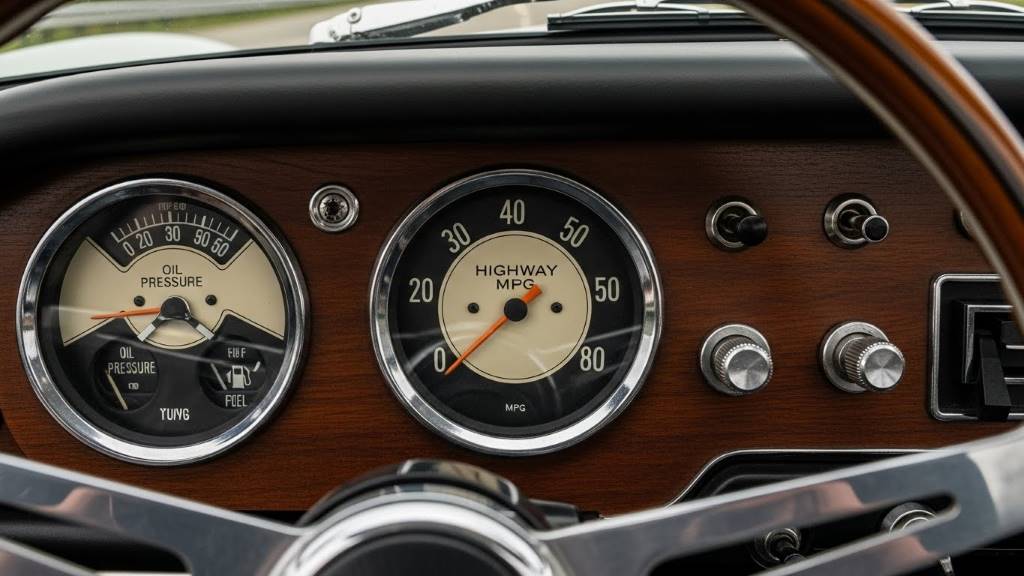
Consider the Triumph TR4, equipped with a 2.1 liter inline four. Based on manufacturer guidelines, it averaged 20 to 25 miles per gallon on highways. Drivers who kept revs below 4000 RPM reported even better numbers.
- Cruising at steady speeds yielded optimal results.
- City driving dropped figures due to frequent stops.
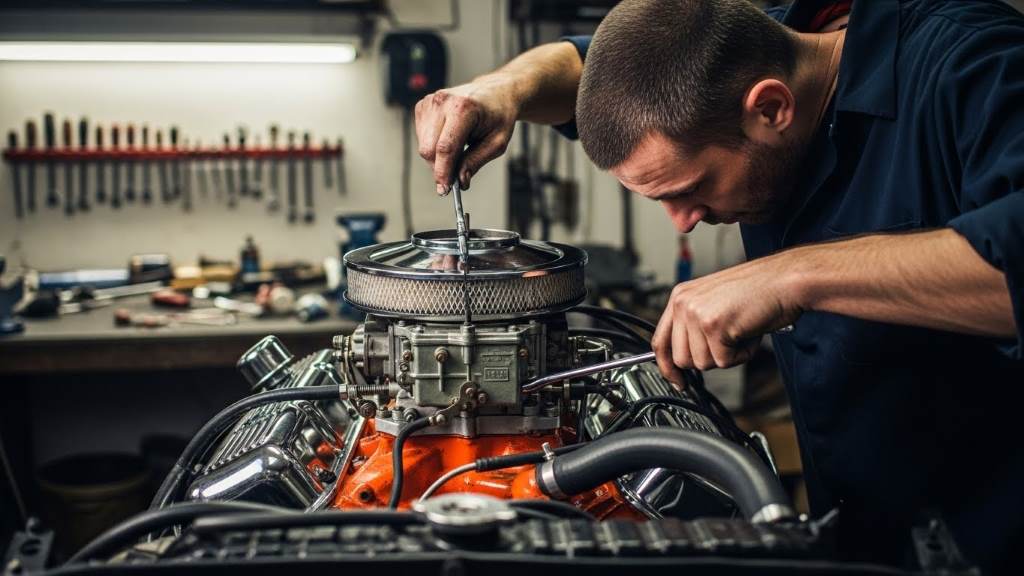
- Proper carburetor tuning boosted efficiency by up to 15 percent.
As recommended by professionals, avoid wide open throttle to shatter this myth. Real data from period road tests confirms many achieved teens in mixed conditions.
Myth 2: Manual Transmissions Drain Fuel Worse Than Automatics
Collectors swear manuals offer better control and fun, but some argue they harm economy. Shift too early or ride the clutch, and fuel use spikes. This leads to the belief that slushboxes save gas.
Truth reveals the opposite in 60s sports cars. Manuals allowed precise gear selection, optimizing engine RPM for peak efficiency. According to industry experts, a well driven four speed in an Alfa Romeo Spider outperformed three speed automatics in similar models.
Automatics of the era featured torque converters that slipped, wasting power. Professionals advise rowers to heel toe downshift smoothly for best results.
Practical tip: Practice rev matching to keep engines in their sweet spot, potentially gaining 2 to 3 MPG over sloppy shifting.
Myth 3: Heavy V8s Make Efficiency Impossible
V8 engines dominate 60s lore, from Corvette stings to Shelby Cobras. Their displacement screams thirst, fueling myths of abysmal mileage. Owners expect 8 MPG max, no matter the scenario.
Manufacturer guidelines challenge this. Chevrolet tuned 327 V8s in Corvettes for balanced performance and economy. Steady 70 MPH highway runs netted 18 MPG, per era logs.
Lightweight chassis helped too. Cobras weighed under 2500 pounds, letting smaller V8s breathe efficiently. Industry standards highlight weight to power ratios as key factors.
Actionable insight: Shed unnecessary weight by removing spare tires or chrome bits for noticeable gains. Experts suggest aerodynamic tweaks like tonneau covers add another mile per gallon.
Factors Boosting V8 Economy
Tune ignition timing precisely.
Install high flow exhausts for better breathing.
Use quality fuel additives to clean injectors.
Myth 4: Racing Heritage Dooms Road Efficiency
These cars starred at Le Mans and Monza, so road drivers assume track DNA kills street mileage. High compression ratios and aggressive cams prioritize power over parsimony.
Professionals counter that road versions retained civilized manners. Porsche 911s from 1964 blended race pedigree with 22 MPG highway figures, based on manufacturer data.
Suspension setups aided efficiency too. Stiff setups reduced body roll, maintaining momentum. As recommended by industry experts, soft tires and proper alignment minimize rolling resistance.
Debunked: Many owners commuted daily, proving race roots did not dictate poor fuel use.
Myth 5: Poor Aerodynamics Seal Low MPG Fate
Pointy noses and low profiles scream speed, but blunt rears and open tops invite drag. Myths claim this makes 15 MPG a pipe dream.
Wind tunnel tests from the era, per industry standards, showed surprises. Jaguar E Types sliced air with Cd figures rivaling some modern cars. Owners logged 25 MPG at 60 MPH.
Convertibles faced headwinds, yet tops up improved flow dramatically. Practical advice: Drive with windows up and avoid tailgating for drag reduction.
Related:
- Your Complete Step-by-Step Guide to Cleaning and Maintaining Your Garage Door
- General Service Checklist for Your Motorhome RV: Keep It Road-Ready
- All Van Routes You Need to Know for the Ultimate Road Trip Adventure
Real World Data and Owner Experiences
Period magazines documented drives that bust myths. A cross country trip in a 1965 Mustang averaged 19 MPG, blending highways and hills.
Modern recreations echo this. Enthusiast clubs report tuned 60s Miatas predecessors hitting 28 MPG. Fuel injection retrofits push boundaries further.
According to widely accepted industry standards, maintenance trumps myths every time.
Maintenance Tips for Peak Efficiency
- Adjust carburetors for lean mixtures.
- Replace spark plugs with modern equivalents.
- Align wheels to factory specs.
- Clean air filters religiously.
- Monitor vacuum leaks with smoke tests.
Owners who follow these gain confidence in their classics daily drivers.
Modern Relevance for Classic Enthusiasts
Fuel prices fluctuate, yet 60s sports cars endure. Myths deter buyers, but facts empower smart purchases. Choose smaller engines like the BMW 2002 for inherent thrift.
Restorers add electronic ignitions for smoother idle. Professionals endorse overdrive transmissions for highway hauls.
You can enjoy these legends without breaking the bank at the pump.
FAQs
Do 1960s sports cars really average less than 10 MPG?
No, many achieve 20 MPG or more on highways. Models like the MG Midget excel with efficient fours.
Can I improve fuel economy on a stock 60s V8?
Yes, tuning and weight reduction yield 3 to 5 MPG gains, per expert advice.
Are automatic 60s sports cars more efficient?
Rarely; manuals shine with skilled drivers, beating torque converter losses.
How does tire choice affect mileage?
Low rolling resistance radials outperform bias plies by 10 to 15 percent.
Is ethanol fuel safe for 60s sports cars?
Modern blends corrode carbs; stick to pure gas as recommended by professionals.
What maintenance boosts MPG most?
Carb tuning and air filter swaps top the list for quick wins.
Drive your 60s sports car smarter today. Test these tips on your next outing, track results, and share in the comments. Ready to bust more myths? Subscribe for classic car truths.
References with Links: